 ;
; Brand Strategy + Design
Browse By:
Aligning with your business aspirations, we transform brands through purposeful and empathetic strategies, driving authentic connections and fueling measurable growth.
We transform brands into powerful assets by aligning with your business goals and leveraging purpose and empathy for genuine connections and growth. Our expert team translates insights into winning strategies, creates unforgettable experiences, and delivers impactful brand communications, empowering your brand to outperform the competition and win market share.
Brand Strategy + Design Services:
Brand Foundation + Strategy
Our method requires a profound immersion into your business, utilizing comprehensive research, customer empathy, and competitive analysis to uncover latent opportunities, define the brand, and devise a dynamic strategy that aligns with your business objectives.
What we deliver:
- Quantitative and Qualitative User Research
- Employer Brand Research
- Competitive Analysis and Research
- Brand Audit and Assessment
- Brand Foundation—(purpose, pillars, personality, positioning, value propositions)
- Validation and Positioning Testing
- Brand Architecture
- Comprehensive Brand Strategy and Brand Story
Visual + Verbal Identity Development
With decades of creative design expertise, we infuse life into your brand strategy, crafting an authentic, compelling, and meaningful narrative through your brand’s attributes and developing a cohesive and comprehensive visual and verbal identity system to guide your brand’s impact on growth.
What we deliver:
- Logo / Logotype Wordmark
- Nomenclature + Naming Conventions
- Primary, Secondary, Tertiary, and Web Fonts
- Color Palettes
- Format, Grid, Layout
- Business Cards, Letterhead, Forms
- Corporate / Brand Identity Systems
- Storytelling
- Brand Visual + Verbal Guidelines and Standards
Messaging Platform Development
We are masters at translating your brand’s strategy, positioning, and internal language into impactful, disruptive communication principles that faithfully represent your brand’s authentic voice, tone, manner, and personality.
What we deliver:
- Content Strategy
- Copywriting
- Digital Storytelling
- Messaging for Ad / OOH Omnichannel
- Video Messaging and Content
Brand Communication Design + Implementation
We design and create an integrated Brand Ecosystem that effectively conveys your brand’s promise, designing every visual and verbal touchpoint for internal and external audiences, and executing through seamless production, fabrication coordination, and fulfillment.
What we deliver:
- Website Design
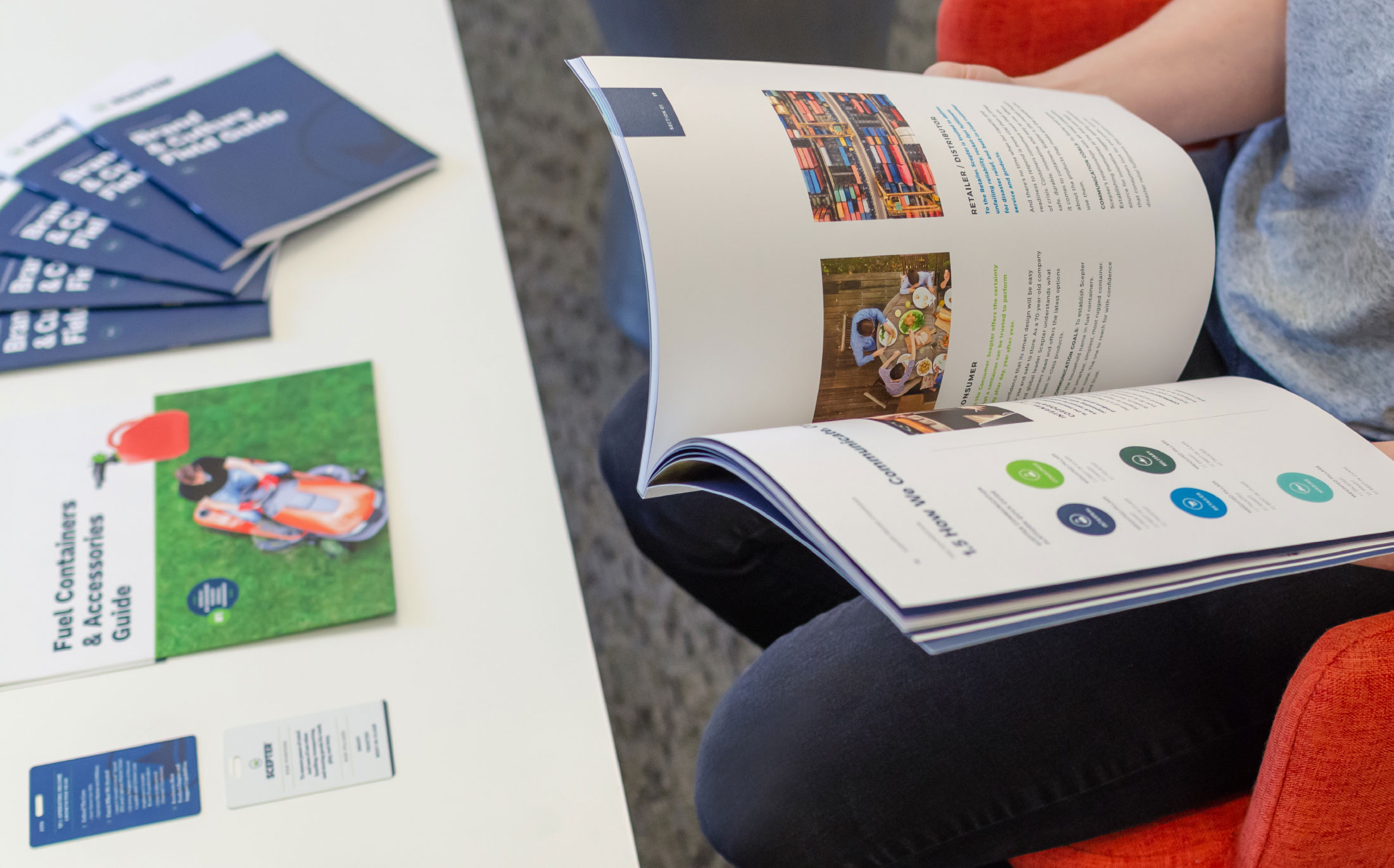
- Collateral
- Art Direction
- Branded Video Content
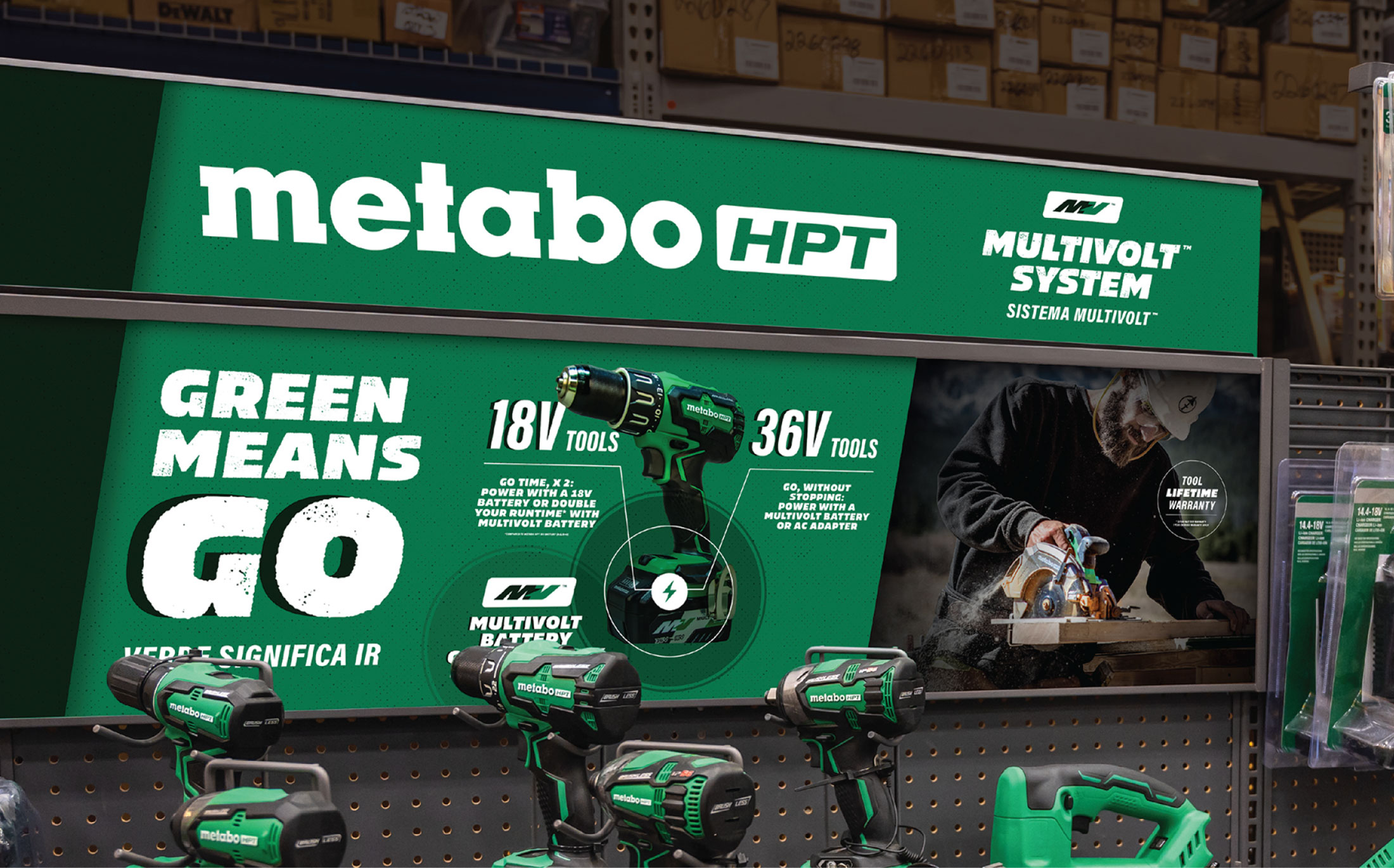
- Packaging, Merchandising, and Retail Design
- App / Mobile Design
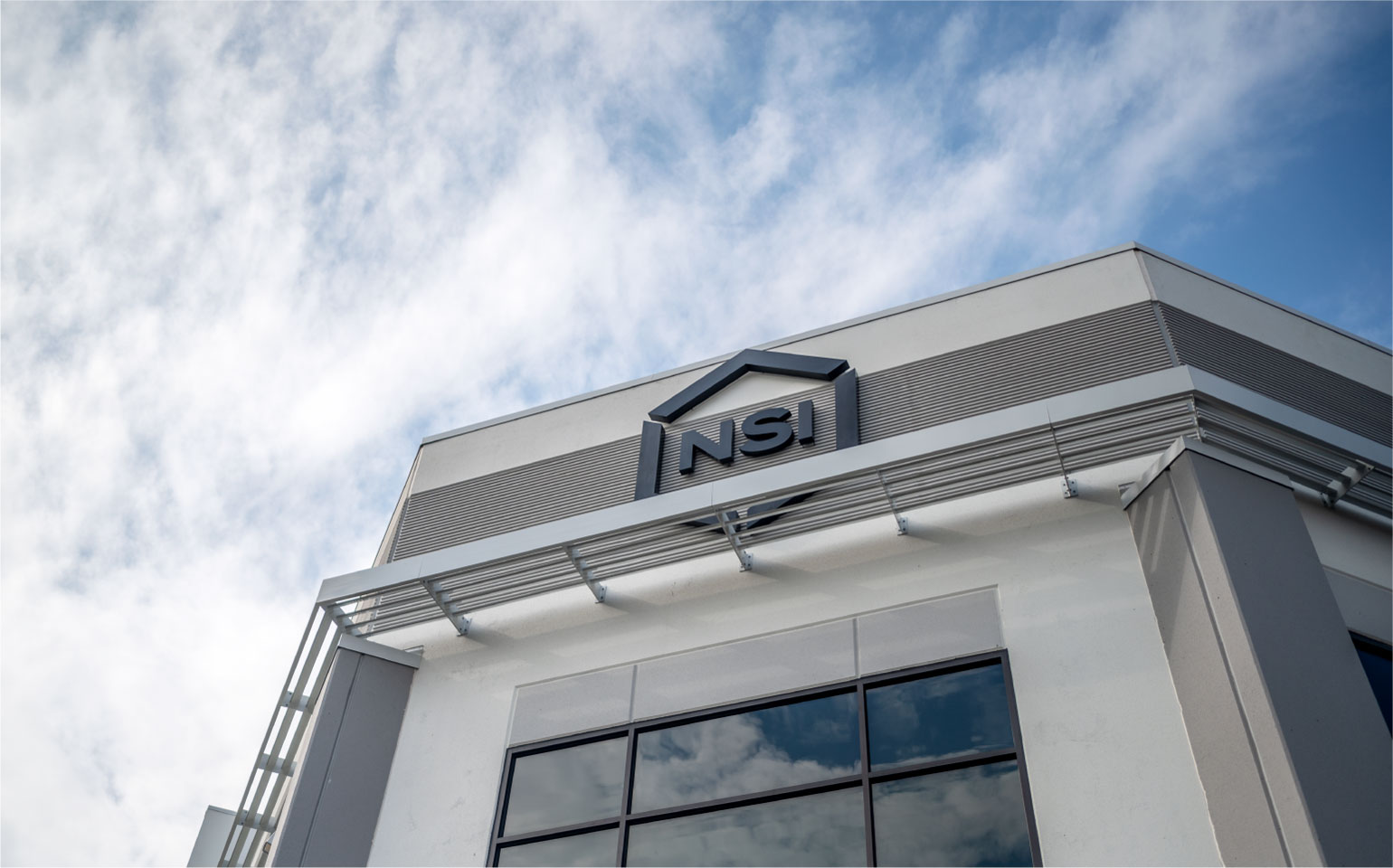
- Signage / Wayfinding Systems
- Digital Marketing Campaigns
- Brand Stewardship / Social Curation
- Implementation Strategy + Execution Management
See our complete list of services:
- Employer Brand Research
- Ethnography & Human Insights
- Innovation Process Coaching
- User + Consumer Insights Research
- User Insights Videos Highlighting Opportunities for Innovation
- User Persona + Scenario Descriptions
- Equity Baselines
- Market Research & Segmentation Studies
- Materials + Technology Research
- Consumer Validation Testing
- Usability & User Experience Testing
- Growth Strategy
- Lifestyle Trend Research
- Digital Content Audit & Assessment
- Service Innovation Opportunity Analysis
- Brand Purpose
- Brand Pillars
- Brand Positioning
- Brand Personality
- Brand Value Propositions
- Brand Story
- Brand Architecture
- Brand Alignment
- Color and Trend Analysis
- Color and Trend Forecasting
- User Persona + Scenario Descriptions
- Customer Experience Strategy
- Digital Marketing Strategies
- Content Strategy
- Future Scenario Visioning
- Gap Analysis and White Space Opportunity
- Paid Media Channel Strategy
- SEO Keyword Roadmap
- Service Implementation Planning
- Social Media Roadmap
- Verbal Identity Systems
- Company, Product + Service Naming
- Voice
- Messaging / Copy
- Nomenclature + Naming Conventions
- Linguistics
- Trademark Screening
- Naming Research
- Corporate / Brand Identity Systems
- Experience Design
- Logo / Logotype
- Color Palettes
- Packaging, Merchandising + Retail Design
- Brand Communications
- Brand Image Art Direction
- Brand Guidelines
- Visual Brand Language
- Wireframing
- Low / High Fidelity Prototyping
- Website Design
- Usability / Testing
- UI + UX Design
- App Design
- Mobile Design
- Digital Storytelling
- 3D Rendering / Animation
- Branded Video Content
- Service Concept Design—UI/UX, Processes, Language,
- Technologies, Environments
- Visualization Via CAD, Animation, Video, and Storyboards
- Implementation Strategy + Execution
- Brand Stewardship
- Brand Coaching + Training
- Brand Assessment Audit
- Brand Guidelines
- Production, Fabrication Coordination + Fulfillment
- Social Curation
- Content Creation
- Product / Brand Launch
- Digital / Advocacy Marketing
- Digital Campaigns