Blog
signature design elements for pipe fittings
August 5th, 2025

Crafting Signature Design Elements

Differentiation by Design Guide: Chapter 5

With your product attributes clearly defined, the work shifts from conceptual alignment to physical expression. Design elements—form, color, material, texture, patterns, and interaction—carry meaning. Repeated with discipline and nuance, these choices form the recognizable and ownable building blocks of your Visual Brand Language. This chapter explores how to craft and apply these elements in a way that reinforces identity, enhances user experience, and supports long-term brand equity.

Signature design elements are the building blocks of your VBL. When developed with discipline and creativity, they allow your products to speak with one voice across categories, platforms, and generations. They create instant familiarity, shape emotional response, and serve as the visual DNA of your brand.
Start with Form

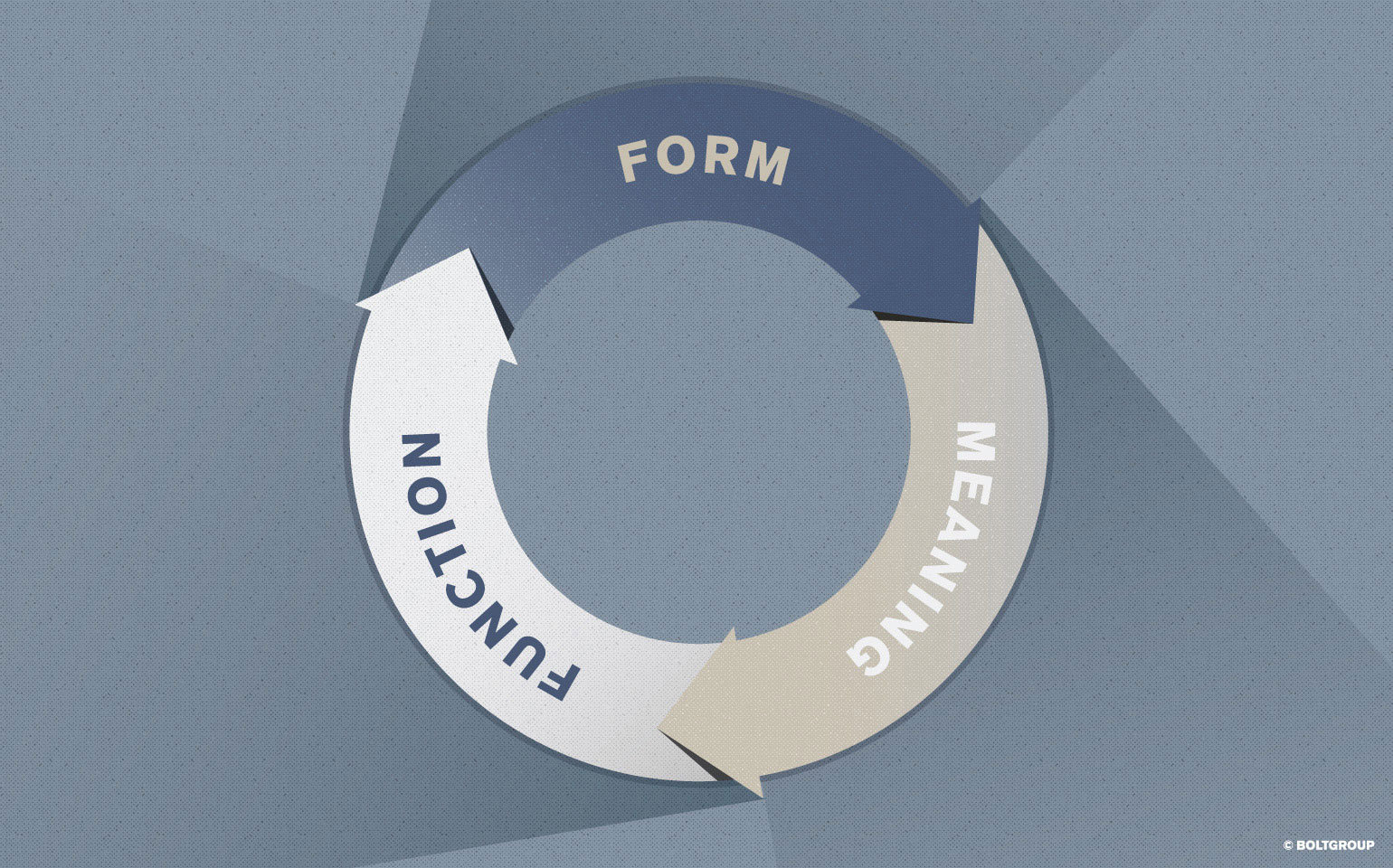
Form gives products their character. Curves suggest softness or approachability. Angles convey strength or precision. Symmetry signals order, while asymmetry suggests movement, tension, or focus. These qualities work together to create a personality.

A strong VBL uses form as a language. Every proportion, intersection, and surface transition contribute to the brand’s voice. Form can reinforce heritage, signal innovation, or communicate performance. It provides a structure for meaning.

Signature forms appear across product lines in varying degrees. A specific corner radius, an edge treatment, or a silhouette can become iconic with repetition and consistency. The goal is not repetition for its own sake, but rather strategic recognition.

Color, Material, Texture, and Finish

Color and material choices influence perception and behavior. Earthy neutrals communicate warmth and sustainability; glossy plastics evoke modernity, brushed metals signal durability, and soft-touch coatings feel secure and ergonomic. Each material carries sensory and symbolic weight.

Textures invite interaction and influence grip, usability, and confidence. Fine textures often suggest precision, while rough or overly grainy surfaces imply ruggedness. The interaction between light and surface affects the product’s appearance in different environments.

Finish helps communicate quality and intent. Ultra-matte finishes feel refined and resist fingerprints. High gloss finishes demand attention and reflect surroundings. Color layering, transitions, or coatings can elevate ordinary surfaces into distinct experiences.

Together, these choices influence how customers interpret the product before using it.

Consider Interaction and Behavior

VBL extends beyond static appearance. Tactile interaction patterns communicate tone and intention. A smooth rotation, a confident click, and a soft closure: each element builds a brand sensory memory.

These micro-interactions play a critical role in shaping emotional response. They convey care, quality, and confidence. When aligned with brand attributes, interaction becomes part of the narrative.

For example, a premium audio brand may design haptic feedback with subtle resistance and dampened motion. A fitness brand might favor lightweight, responsive mechanisms that signal energy and agility. A power tool might favor loud and large mechanisms to signal power and quality. Each decision adds depth to the experience.

Embrace the Full Senses

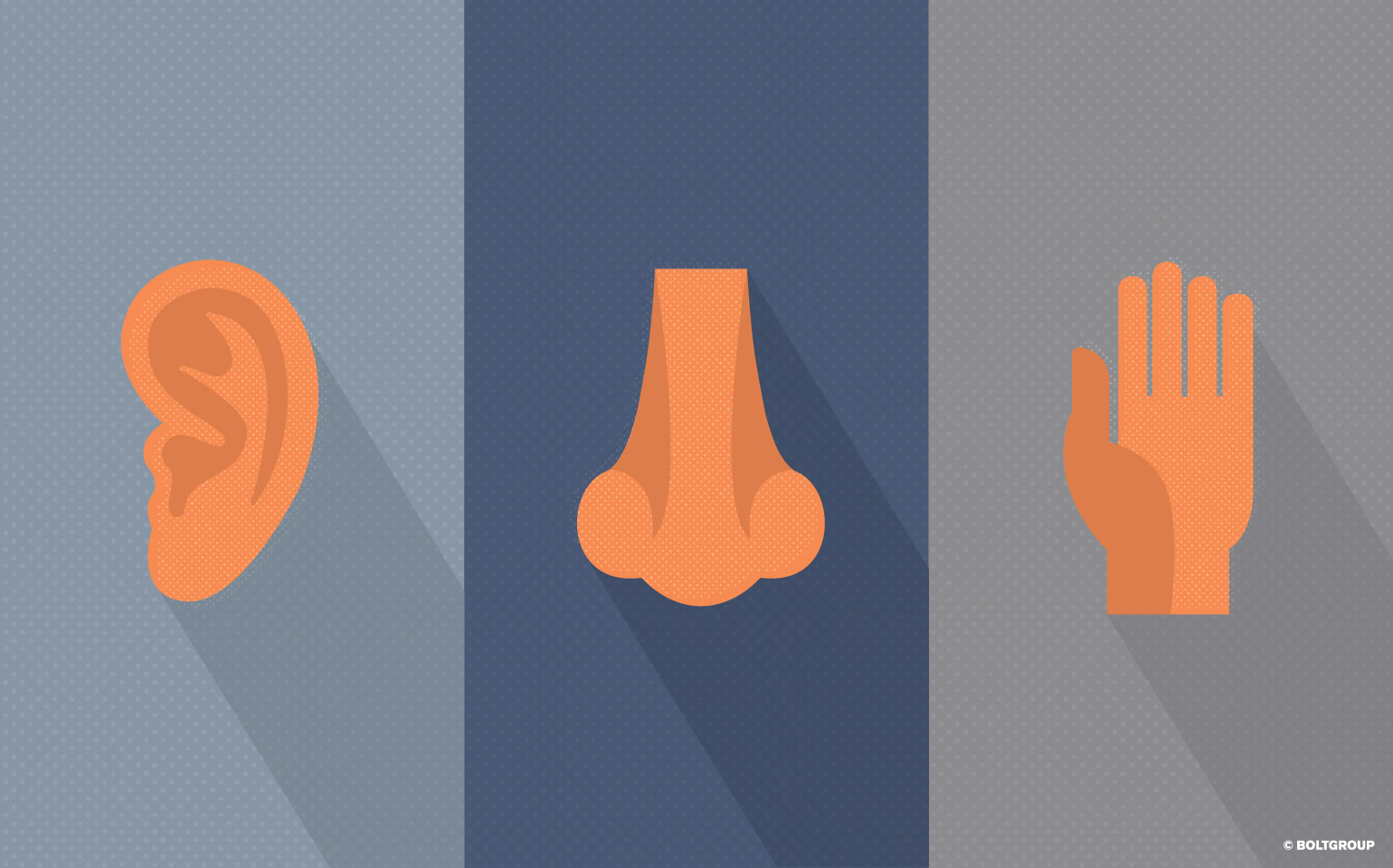
Sound, light, and motion offer additional layers of expression. A distinctive startup chime, rhythmic LED animation, or smooth motorized movement can become brand signatures when used consistently and in restraint.

These sensory elements should reflect brand personality. A warm, organic light sequence aligns with a calming, wellness-oriented identity. A sharp, responsive sound palette supports a precision-focused brand. Avoid gimmickry. Focus on intention.

Build a Recognizable System

The power of VBL lies in repetition and refinement. A successful system allows flexibility across product lines while maintaining core visual anchors. This requires discipline, repeatedly using the same visual cues, evolving them thoughtfully rather than reinventing them.

This discipline ensures that even new or unfamiliar products feel connected to the brand. Customers may not articulate the consistency, but they will feel it.

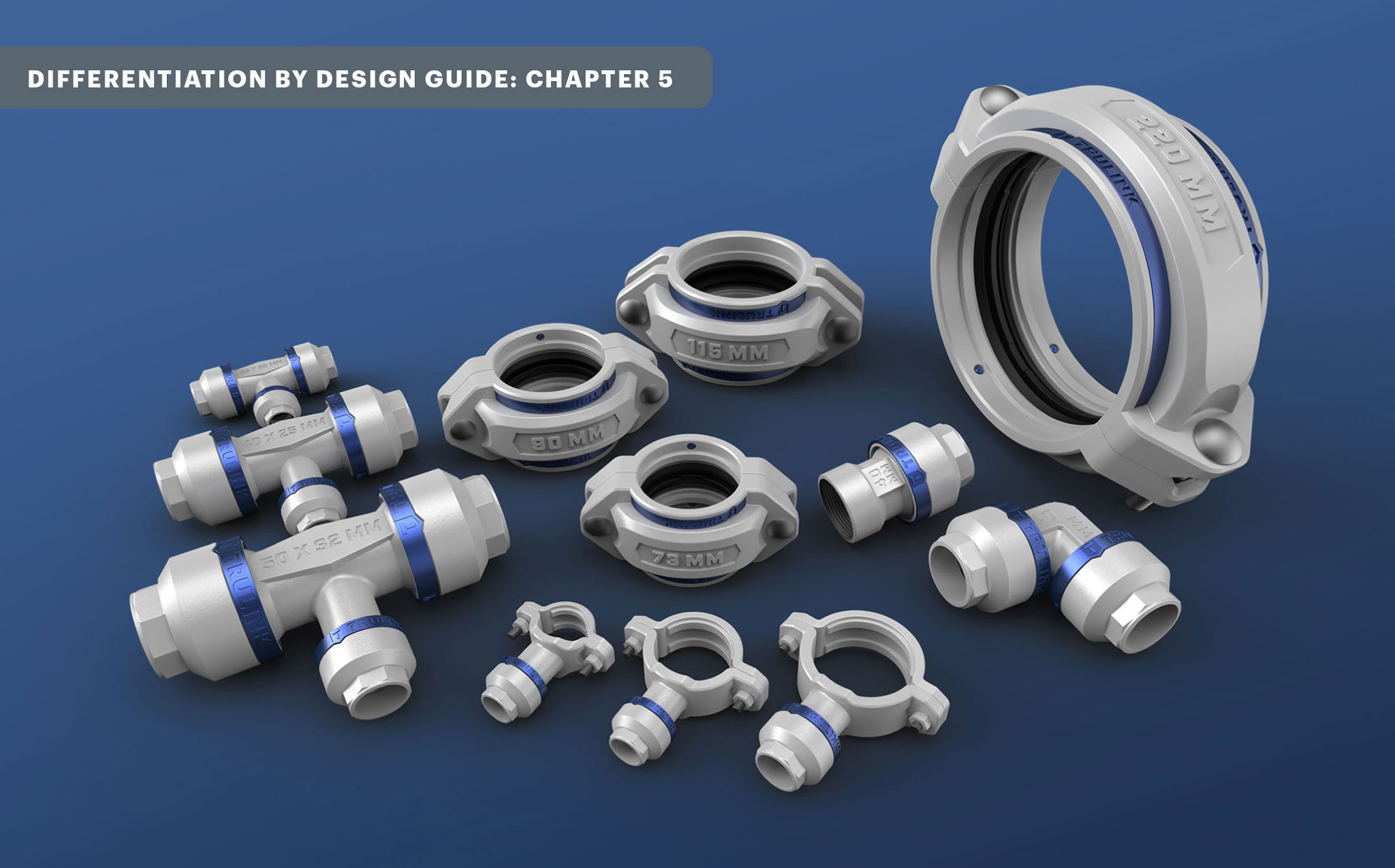
One example is BOLTGROUP’s award winning design strategy work with AST TruLink. Applied Systems Technologies is the preferred choice for compressed air systems around the world. We applied a fully integrated brand and product innovation approach to develop a clean and bold visual brand language for a family of 280+ SKUs. The bold, recognizable features make installations faster, easier, and straighter than ever before.

Conclusion & What’s Next

Signature design elements bring brand strategy and user insight to life. They provide the tools for creating experiences that feel cohesive, recognizable, and emotionally compelling.

The next chapter introduces the Visual Brand Language Matrix—a strategic tool for organizing and applying these elements across your product portfolio. You will learn how to create a scalable, adaptable system that balances creativity with consistency and prepares your brand for long-term growth.

Let’s Start with a Conversation

For manufacturers and innovation teams navigating change, a discovery call with our team can clarify your needs—and reveal opportunities for growth.