Blog
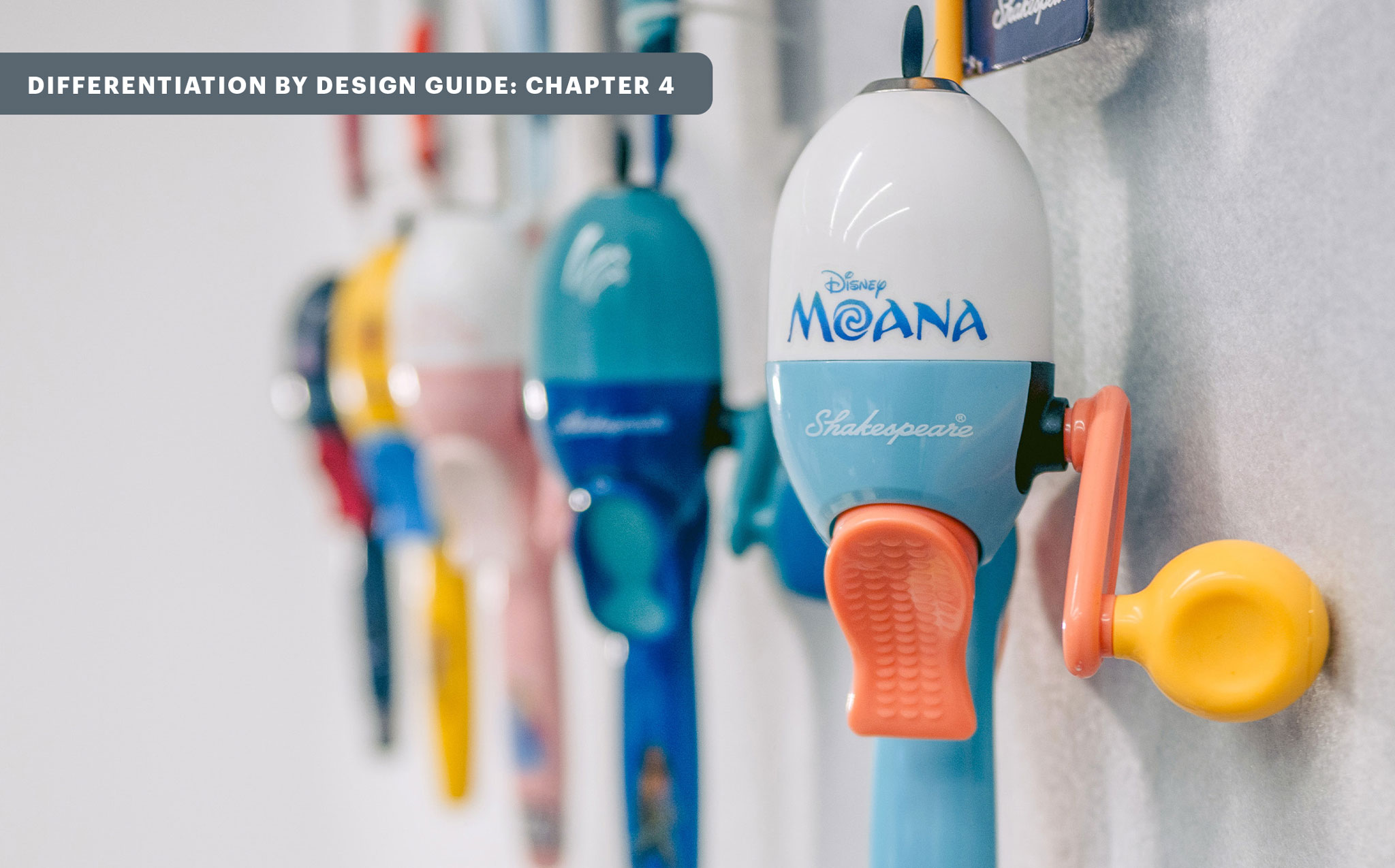
image of kids fishing rod handles showing key attributes for product design
July 29th, 2025

Defining Key Attributes for Product Design

Differentiation by Design Guide: Chapter 4

Once your brand strategy is defined and your user insights are clear, the next phase in developing your Visual Brand Language focuses on specificity. A compelling design system must express a precise set of emotional and functional attributes—characteristics that set the tone, shape perception, and distinguish your products in the market. This chapter outlines identifying, mapping, and applying these key attributes to guide consistent and intentional product design.

While brand strategy and user insight provide the foundation, the next step in building a VBL system involves distilling those insights into your design’s specific characteristics. These attributes guide every creative decision and help ensure the resulting product communicates intentionally, consistently, and distinctively.
Begin with the Message

Every product sends a message. Whether deliberate or unintentional, that message influences perception, creates emotion, and shapes behavior. The role of VBL is to define the message clearly and design it into the product at every level.

To begin this process, focus on identifying the emotional tone the product should evoke. Consider how customers should describe the product after a single interaction. Confident? Calm? Rugged? Precise? These descriptive words become the language that drives visual and tactile expression.

Functional attributes deserve equal attention. Performance, reliability, safety, and usability must be embedded in the product’s form and behavior. The way a product feels in the hand, the resistance of a button, the click of a lid, the durometer of a material—each of these details communicates a functional promise. Design elements that appear decorative often carry hidden utility. When executed well, nothing feels arbitrary.

Create an Attribute Map

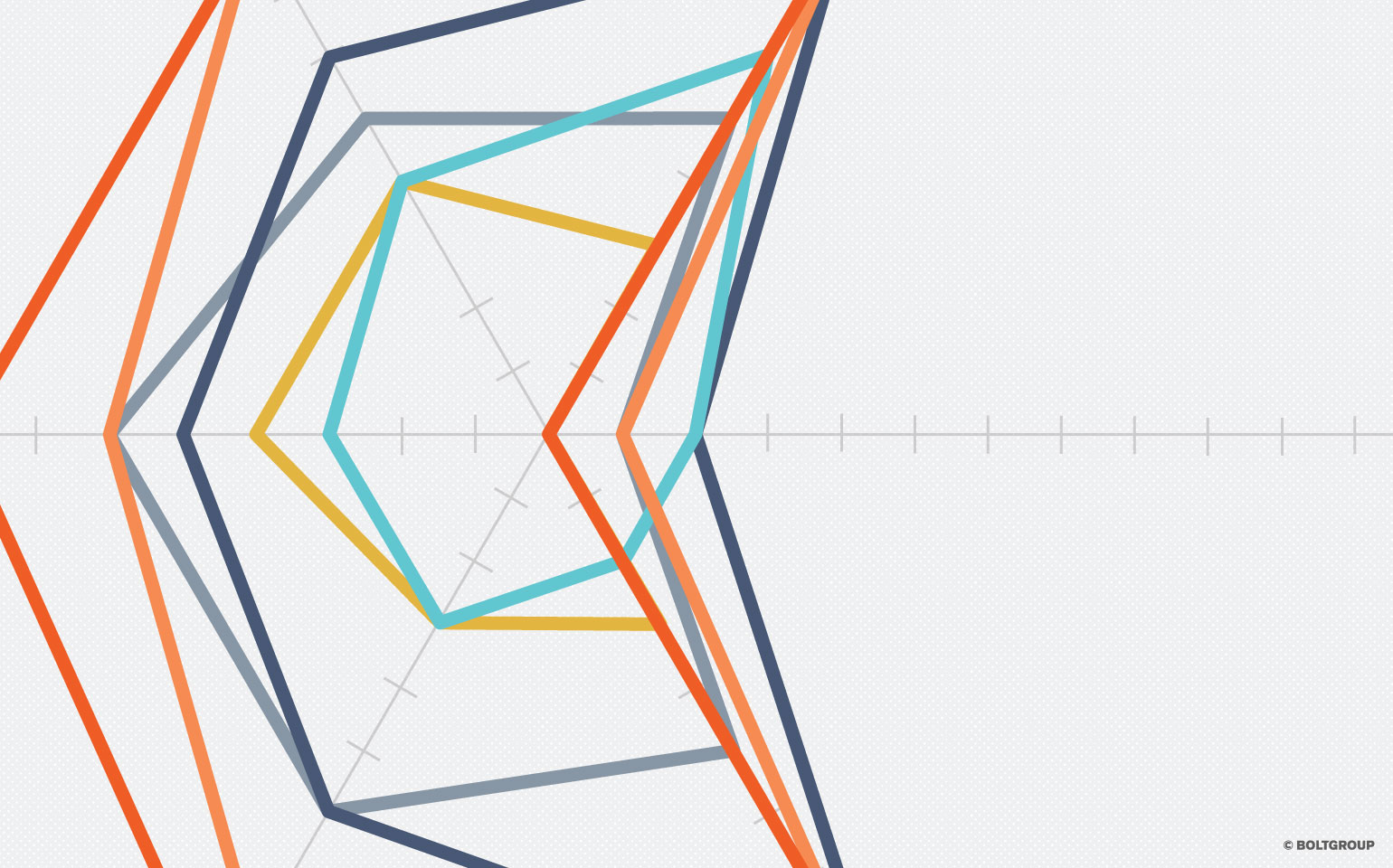
An attribute map links brand values and customer expectations to specific design characteristics. This map bridges insight and execution, helping design teams translate intangible ideas into tangible forms.

For example, a brand focused on precision and control may express those traits through tight tolerances, sharp edges, and consistent alignment across components. A brand committed to sustainability might emphasize reclaimed materials, matte finishes, and modular construction. Each choice must reinforce the story.

This mapping process allows teams to make informed design decisions and maintain alignment across product families and platforms. It also provides a clear rationale for stakeholders, reducing subjective debate and accelerating development.

Understand the Emotional and Functional Balance

Products live in both emotional and functional realms. A phone case must protect, but it also signals personality. A kitchen appliance performs a task but also occupies visible space in the home. The emotional and functional attributes must reinforce one another rather than compete.

Successful VBL systems operate at this intersection. They deliver on utility while creating emotional satisfaction. Every visual detail serves both form and purpose. A simple radius, a tactile surface, a color transition—each element contributes to the broader message.

Designers must balance these forces with intent. Overemphasis on aesthetics risks losing usability. Overemphasis on function risks commoditization. The balance depends on understanding the brand’s position in the market and the user’s priorities.

Benchmark for Relevance and Distinction

Effective VBL does not exist in isolation. Competitor analysis provides a critical perspective. By studying visual attributes in the category, teams can identify common patterns, overused tropes, and gaps in the visual landscape.

Benchmarking clarifies where to align and where to deviate. It uncovers opportunities to stand apart through color, form, or interaction. This analysis also helps avoid unintentional mimicry and ensures that your VBL supports differentiation rather than dilution.

One example is BOLTGROUP’s award winning design work with Pure Fishing. Their house brand, Shakespeare, challenged BOLTGROUP to redesign their children’s rod & reel combo product line from the ground up, with designs that cater to the unique imaginations (and motor skills) of young children learning to fish. By embracing attributes such as playfulness and comfort, the Shakespeare Disney Children’s Reel and Fishing Rod Combo stands apart in the market.

Conclusion & What’s Next

Defining the key attributes of your product design ensures that every detail supports a larger purpose. These attributes anchor creative expression, guiding teams toward consistency, clarity, and distinction.

The next chapter explores how to bring these attributes to life through signature design elements. We will examine how to use form, material, texture, color, and interaction to build a visual language that feels unmistakably yours.

Let’s Start with a Conversation

For manufacturers and innovation teams navigating change, a discovery call with our team can clarify your needs—and reveal opportunities for growth.