Blog
designers getting to knowing the end user
July 22nd, 2025

Knowing Your End User and Customer

Differentiation by Design Guide: Chapter 3

A strong brand strategy provides the foundation for Visual Brand Language, but the people using your products shape how that language is received. Every form, surface, and interaction must reflect what your brand stands for and what your customers expect, need, and feel. This chapter explores translating user insight into actionable design language that deepens the connection and delivers relevance across every touchpoint.

VBL is a language at its core, and like any language, it must be designed for the listener. The most effective VBL systems arise from a deep understanding of the people interacting with the brand across products, platforms, and environments.

Research as a Starting Point

Insight begins with curious observation. Effective research uncovers how users think, feel, and behave, not just what they buy. Ethnography, contextual inquiry, journey mapping, and interviews reveal unspoken needs, frustrations, and aspirations.

Data alone cannot create empathy. Direct engagement reveals nuance, those moments where convenience fails or joy sparks unexpectedly. This insight creates opportunity. Brands can design products that feel intuitive, memorable, and emotionally aligned.

User research should extend beyond the current audience. Markets shift, expectations evolve, and emerging segments often bring new priorities. A future-focused perspective ensures that design systems remain agile.

Building Personas for Clarity and Empathy

Many teams create personas—evidence-based archetypes representing key user groups to translate research into actionable insights. Personas help internal teams visualize who they are designing for, what those individuals care about, and how they will engage with the product.

Each persona typically includes goals, frustrations, values, lifestyle context, and brand touchpoints. When used correctly, these personas bring focus to design decisions and help unify cross-functional teams around the same user experience objectives.

For example, a persona representing a healthcare professional might highlight efficiency, sterility, and clarity. In response, a medical product’s VBL might emphasize clean forms, intuitive interfaces, and clinical materials. In contrast, a consumer electronics user persona might lead to a VBL focused on emotional engagement, seamless interaction, and lifestyle alignment.

Translating Insights into Design Elements

Once personas are defined, the challenge becomes translating their needs into design language. What should the product communicate at first glance? How should it feel in the hand? What visual cues create trust, excitement, or comfort?

VBL provides the toolkit: color, form, texture, material, light, and motion. Each must be selected to align with brand values, user expectations, and context. Simplicity, for instance, may call for minimal interfaces and calm visual rhythms. A rugged identity may rely on tactile surfaces, durable materials, and pronounced geometry.

The goal is to make the end user feel seen, understood, and empowered—to design for both usability and connection.

Designing with Empathy, Delivering with Precision

Customer insight clarifies design and creates internal alignment. A shared understanding of the user simplifies debate, reduces subjective opinion, and speeds up development. When teams design with the same person in mind, decisions align naturally and precisely.

Empathy leads to efficiency. Teams make faster decisions because the goals are clear. The user becomes the filter for priorities, trade-offs, and refinements.

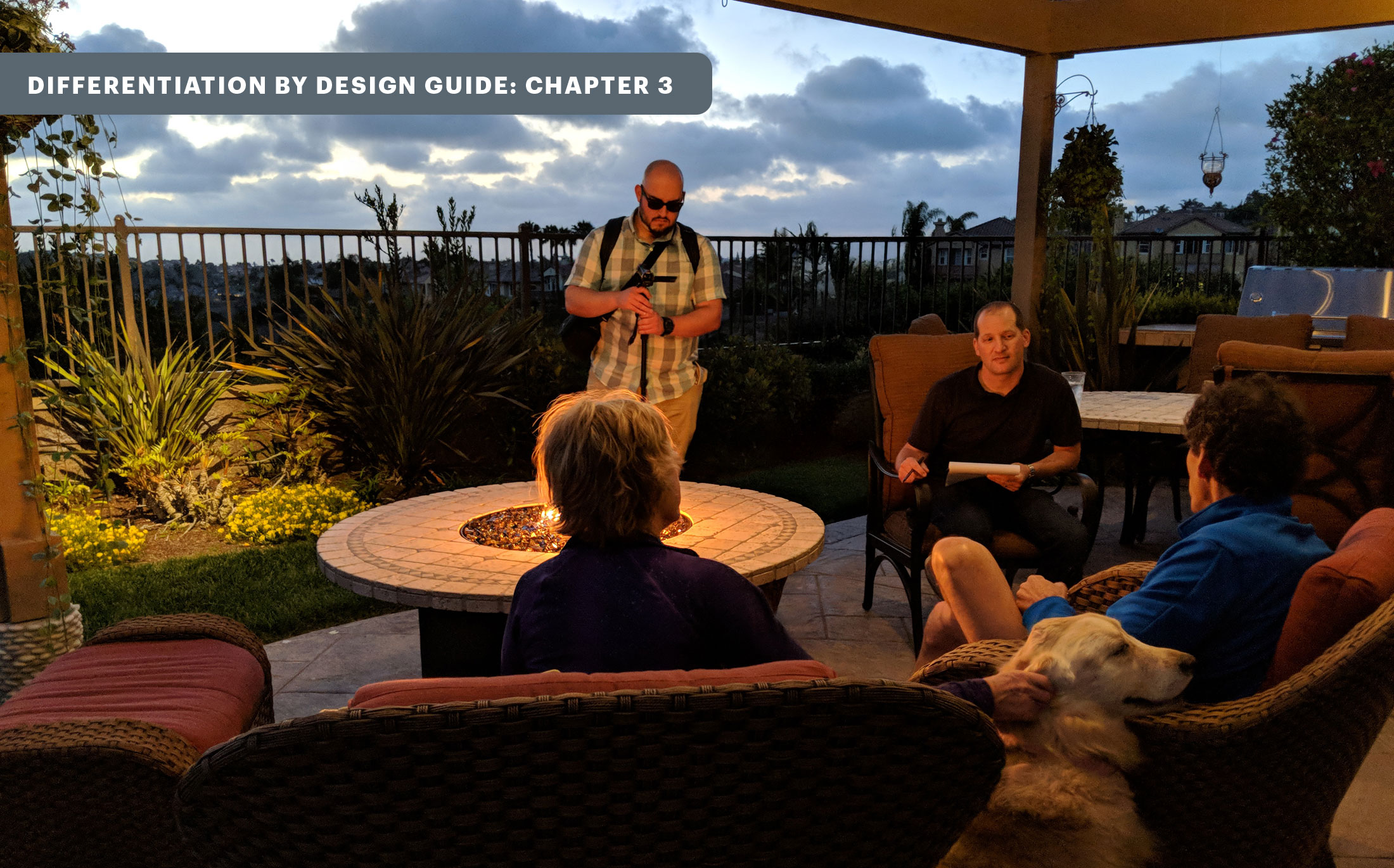
BOLTGROUP consistently partners with clients and research agencies to perform both virtual and in person ethnographic research. These include retail visits, ride alongs, site visits, in-depth interviews, first person workshops, and more. By asking the right questions we build empathy with our clients and the users for whom we aspire to solve problems.

Conclusion & What’s Next

User insight bridges the gap between brand intention and real-world experience. It ensures that your Visual Brand Language looks right and feels right to the people who matter most.

The next chapter examines defining the specific attributes your VBL should communicate. By identifying the emotional and functional messages your products must convey and benchmarking those against competitors, you can build a design language that is distinctive, deliberate, and aligned with your brand and your audience.

Let’s Start with a Conversation

For manufacturers and innovation teams navigating change, a discovery call with our team can clarify your needs—and reveal opportunities for growth.