Blog
April 7th, 2026
What Is Design?
Not long ago, I was deep in a conversation about design thinking with a friend when they stopped me cold with a deceptively simple question:
“If a 12-year-old—and not one of your kids—asked you what design was, what would you say?”
I’ve spent my career helping leadership teams align business, brand, and product. I talk about growth, systems, culture, differentiation. But when I actually tried to answer that question, I could feel myself reaching for language that wouldn’t mean much to a 12-year-old.
Frameworks. Strategy. Value creation.
All true. None of it honest enough.
So, I stopped, and asked myself something more fundamental:
“What is design before it becomes a business advantage?”
The answer that settled in was simple.
Design is how we show that we care.
It begins when someone notices friction—confusion, inefficiency, frustration—and chooses to do something about it.
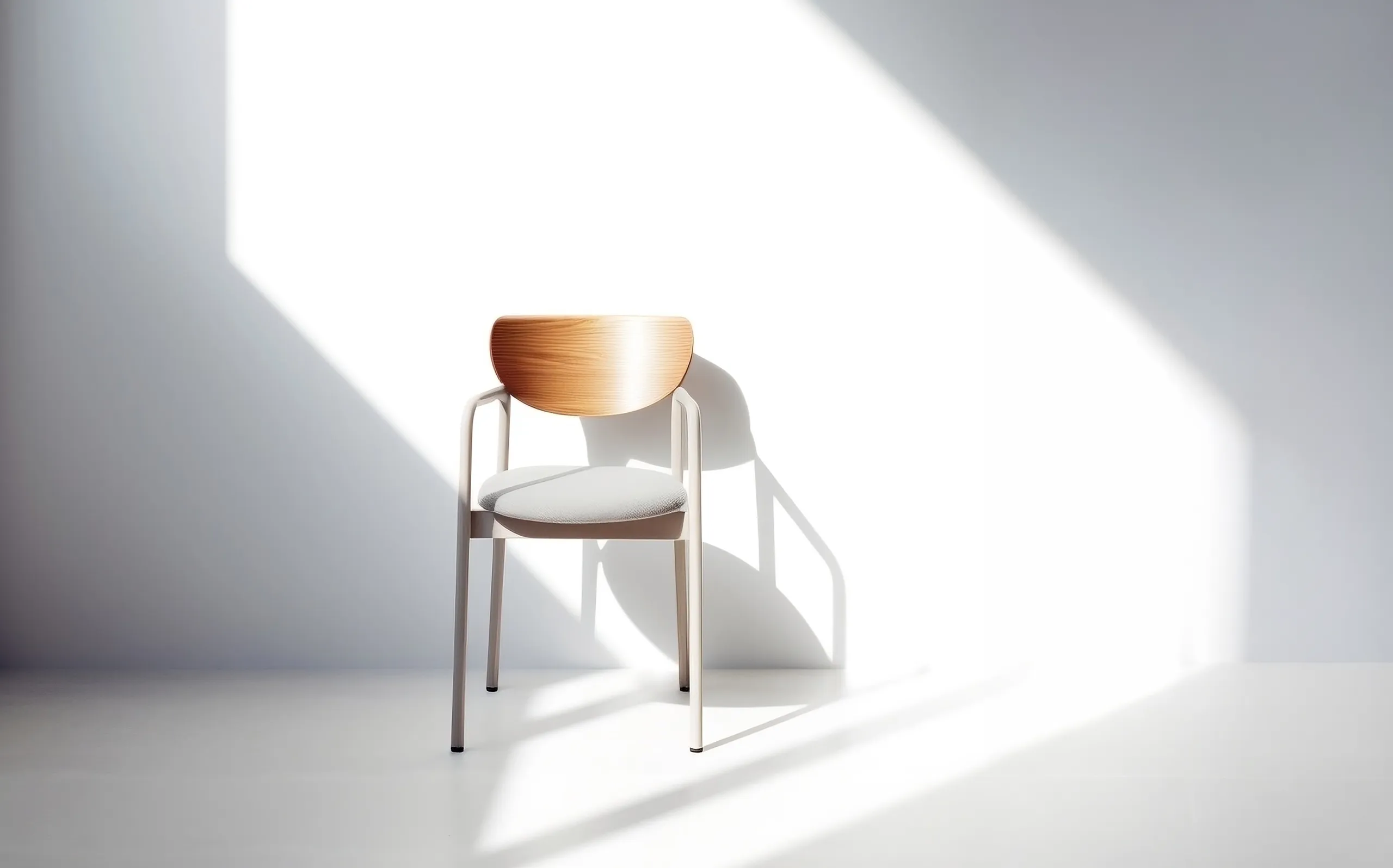
A chair that doesn’t hurt your back. A tool that feels balanced in your hand. Packaging that opens without a fight.
Those things don’t happen by accident. Someone thought about you before you arrived. That’s design.
Design Is Deciding What Matters Most
When I shared that question publicly, the responses were thoughtful.
One person wrote: “Design is deciding what matters most—and being brave enough to leave the rest out.”
That’s leadership language. And courage to care. There are nearly infinite ways to build almost anything. Design is the discipline of narrowing those possibilities with intention.
Another person put it this way: “Design makes you look. Experience makes you stay.”
In the real world, those two are inseparable. The look, the feel, the usability, the emotion—they intersect constantly. And over time, that intersection becomes what we call brand. Not a logo. Not a tagline. A memory. A belief. A sense of trust.
Trust is not built through messaging alone. It is built through designed experiences.
Why Design Is a Leadership Responsibility
Here’s where I want to speak directly to CEOs and founders. Whether you use the word “design” or not, you’re already shaping it.
Every product decision. Every packaging choice. Every digital interaction. Every hiring decision that influences customer experience.
Design is happening. The only question is whether it’s happening with intention.
A culture of design isn’t about having more designers. It’s about leadership choosing to care, systematically. Brave enough to ask:
- Where is friction costing us trust?
- Where are we confusing the people we serve—internally and externally?
- Where have we accepted “good enough” when clarity was possible?
In practice, this is where the hardest work happens—getting leadership aligned around who they actually serve and what matters most to those people. Not the product. Not the revenue target. The person on the other end of the experience. When that clarity exists, everything downstream gets easier. Products feel intuitive. Brands feel coherent. Experiences feel human.
When care drives decisions, something shifts. Products feel intuitive. Brands feel coherent. Experiences feel human.
And growth follows. Not because growth was the goal—but because trust was.
The Question That Stays With Me
If a 12-year-old asked me again what design is, I’d answer the same way: Design is how we show that we care.
For leaders, that means something deeper. Design is a responsibility. It shapes how people feel about your company long before they meet you, and long after they’ve used what you make.
The question isn’t whether you’re designing. The question is:
Are you designing with care?
That’s where culture begins. And that’s where durable growth is built.