Blog
visual brand language matrix for electronic product design
August 12th, 2025

Building a Visual Brand Language Matrix

Differentiation by Design Guide: Chapter 6

With core attributes defined and signature design elements identified, the next step involves organizing these assets into a scalable system. The Visual Brand Language Matrix serves as a tool to connect intention with execution. It brings structure to creative decisions, helping design teams maintain consistency while supporting product variety, market expansion, and future growth.

A well-structured VBL Matrix expands creative potential by providing clear boundaries and intent. This framework shows how specific design elements connect to brand attributes across product lines and categories. With the matrix as a guide, teams gain a visual roadmap that supports development, aligns departments, and safeguards brand integrity.
Systemizing Design Intent

A VBL Matrix operates as both a strategic blueprint and a creative toolkit. It categorizes visual and physical design components—form factors, colors, materials, textures, and interactions—by product type, user context, or performance tier. Each quadrant or section of the matrix reflects a distinct combination of brand attributes and product requirements.

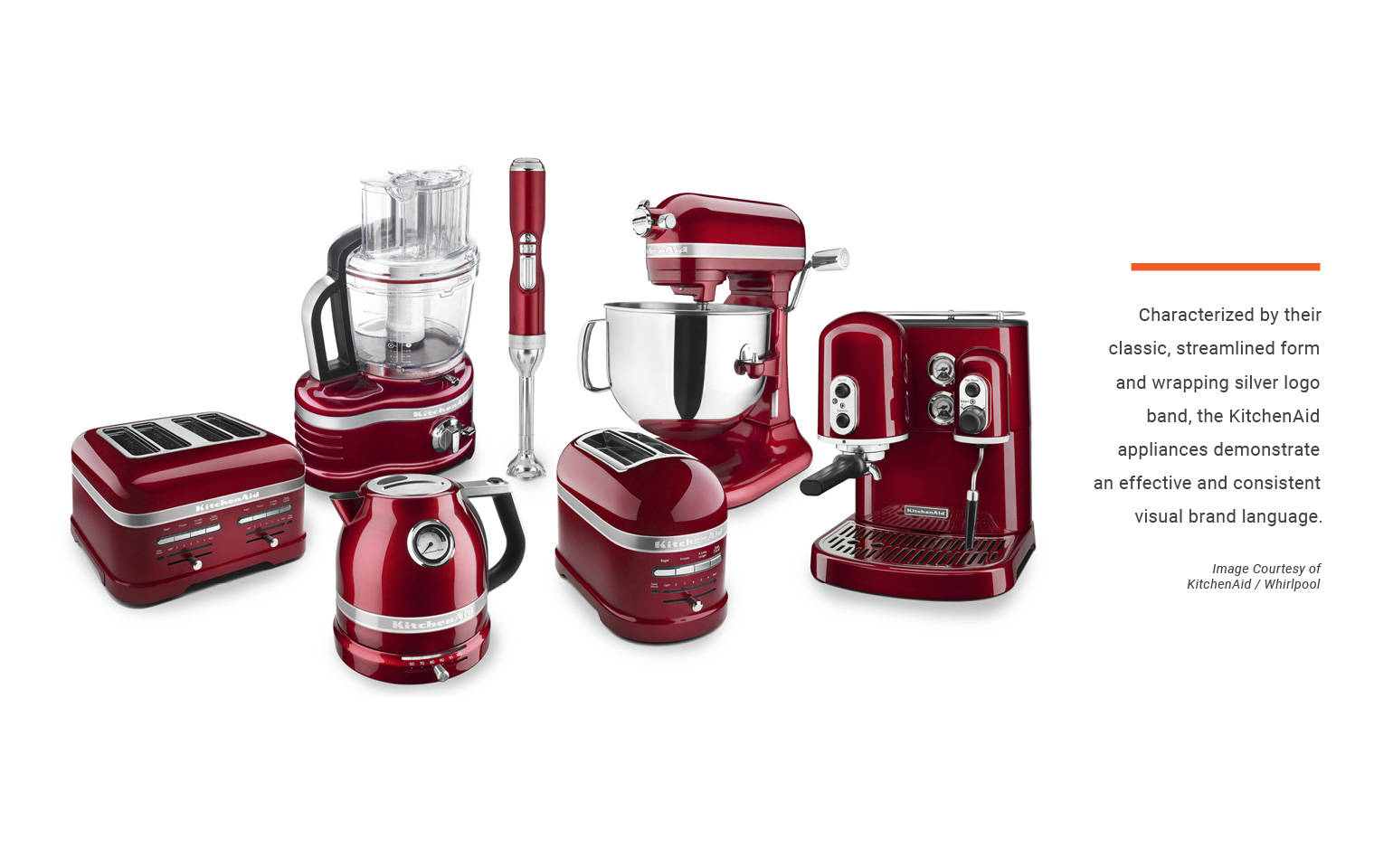
For example, a brand with entry-level and premium offerings may scale visual elements across tiers. Shared design cues signal family resemblance, while variations reflect target user expectations. A visual brand language matrix ensures these differences remain intentional and aligned with the brand strategy.

Managing Complexity Across Portfolios

As product lines grow, so does complexity. Without a unified system, design efforts become fragmented. The matrix addresses this challenge by establishing a clear hierarchy of design elements, defining which features are essential, flexible, or contextual. Signature elements such as side profiles, interface patterns, or CMF standards can appear consistently across the portfolio, while secondary elements adapt to specific use cases.

This approach ensures coherence without enforcing uniformity. It respects the nuance of different categories while maintaining a shared identity.

Supporting Collaboration and Scalability

A well-structured matrix supports collaboration across internal and external teams. Designers, engineers, and partners reference the same system. This shared framework accelerates onboarding, reduces interpretation errors, and eliminates redundant exploration.

Scalability becomes possible when core elements are modular and well-documented. As new products launch or categories expand, the matrix provides guardrails that preserve design integrity without slowing innovation.

Documenting Design Intelligence

The matrix functions as a living document. It evolves alongside the brand, informed by customer feedback, market trends, and strategic shifts. This evolution must be intentional. Updates should reflect changes in the brand’s positioning, not fleeting trends.

Each addition to the matrix—new forms, colors, patterns, or interactions—must link back to a brand attribute and serve a business or user goal. The matrix becomes a source of design intelligence and brand memory when properly maintained.

Conclusion & What’s Next

The VBL Matrix transforms design elements into a strategic system. It empowers teams to scale with clarity and innovate with control. As your portfolio grows, this structure safeguards cohesion, accelerates decisions, and ensures that every product reinforces your brand promise.

In the next chapter, we explore how to create a flagship product that sets the tone, embodies the brand, and establishes the design standard for everything that follows.

Let’s Start with a Conversation

For manufacturers and innovation teams navigating change, a discovery call with our team can clarify your needs—and reveal opportunities for growth.