Blog
March 30th, 2026
Creating a Culture of Design
From Harmony to Spirit
Once continuity and harmony are activated, an organization reaches its most important threshold: whether brand remains a set of systems or evolves into a shared way of thinking, deciding, and creating.
A brand ecosystem is only as strong as the culture that sustains it. Design can build structure, strategy can build clarity, but only culture can build endurance.
Brand becomes culture when the organization stops using it and starts living it.
The Shift from Management to Mindset
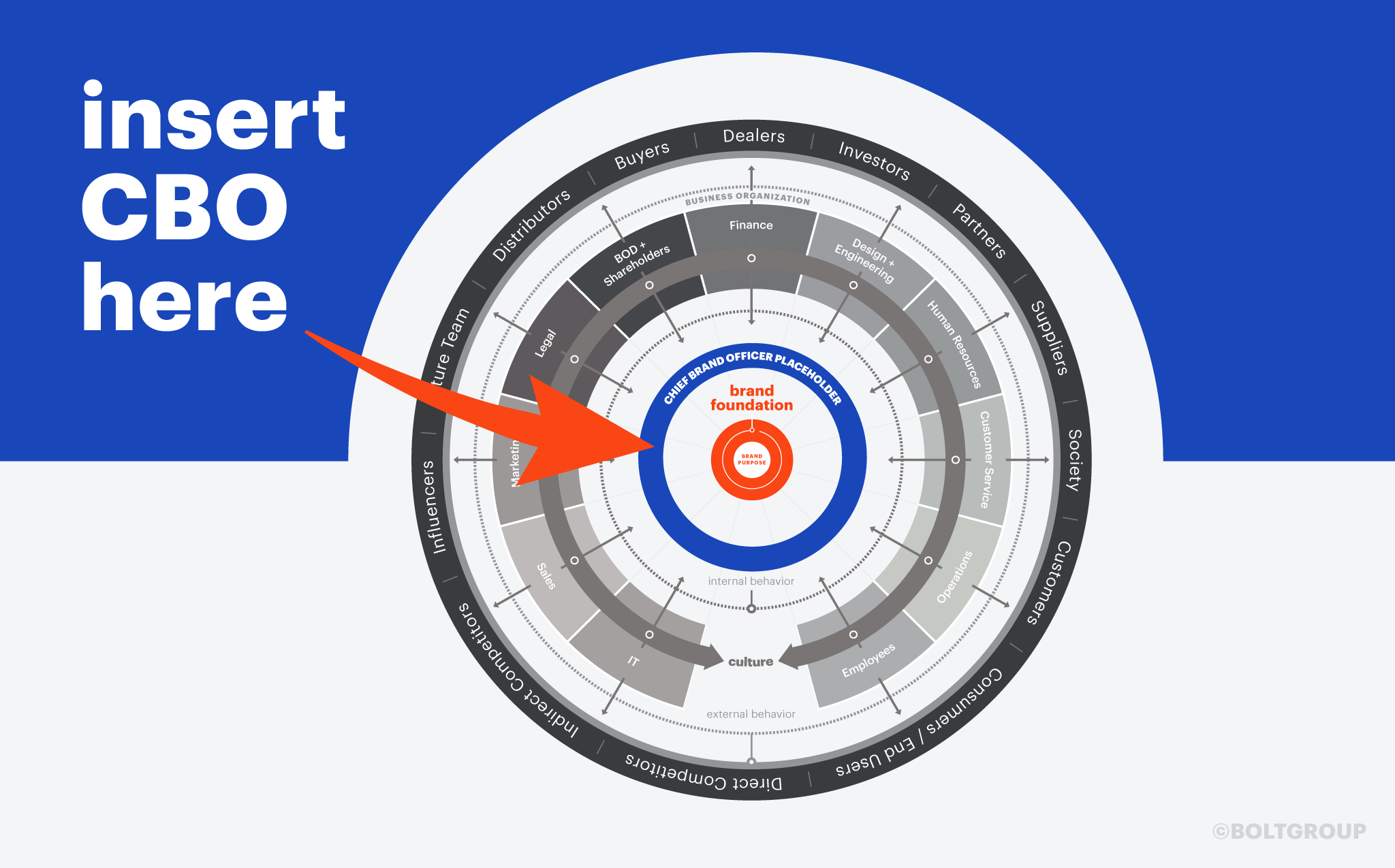
Most organizations treat brand as something to control through guidelines, standards, and approvals. But the most resilient brands operate from a different paradigm: not brand management, but brand consciousness.
A culture of design is one where:
- Decisions are made through shared principles, not personal preference.
- Creativity is disciplined, not random.
- Alignment is organic, not enforced.
- Design is not decoration, but translation.
This is where brand moves from artifact to culture.
The 3 Pillars of a Design-Centered Culture
A culture of design doesn’t emerge by accident. It’s built through intentional reinforcement across three dimensions:
- Belief—The internal narrative that answers “Who are we, and why does it matter?”
When belief is shared, creativity gains direction, and teams gain conviction.
- Behavior—The actions that demonstrate the brand’s values in motion
Behavior is where culture becomes visible. Every meeting, every interaction, every product decision is a design act.
- Belonging—The emotional connection that turns employees into stewards
Brand culture thrives when people don’t just follow the brand—they identify with it.
Belief fuels behavior. Behavior creates belonging. Belonging protects the brand when no one is watching.
Design as a Leadership Language
In design-centered organizations, leaders model the brand.
They ask:
- “Does this decision reflect what we believe?”
- “Would our customers recognize us in this experience?”
- “Is our behavior aligned with our promise?”
Leadership stops being directional and becomes translational by connecting business ambition to human meaning.
When leaders design culture, culture designs the brand.
The Power of Cultural Reinforcement
Brands don’t erode because guidelines are broken.Brands erode because beliefs are no longer shared.
The organizations that sustain coherence over decades do so by ritualizing the brand:
- Onboarding becomes initiation, not instruction
- Internal communication becomes narrative, not updates
- Annual planning becomes recommitment, not budgeting
- Innovation becomes expression, not disruption
Culture becomes the immune system of the brand.
The Design Maturity Curve
Most companies mature through predictable stages:
- Brand as Output: “We need a new logo / campaign / website.”
- Brand as System: “We need standards and consistency.”
- Brand as Ecosystem: “Everything must connect.”
- Brand as Culture: “Brand is how we think, decide, and behave.”
The goal of brand strategy is not to perfect stage 2. It is to graduate the organization into stage 4.
That is when the brand stops being “managed,” and starts being lived.