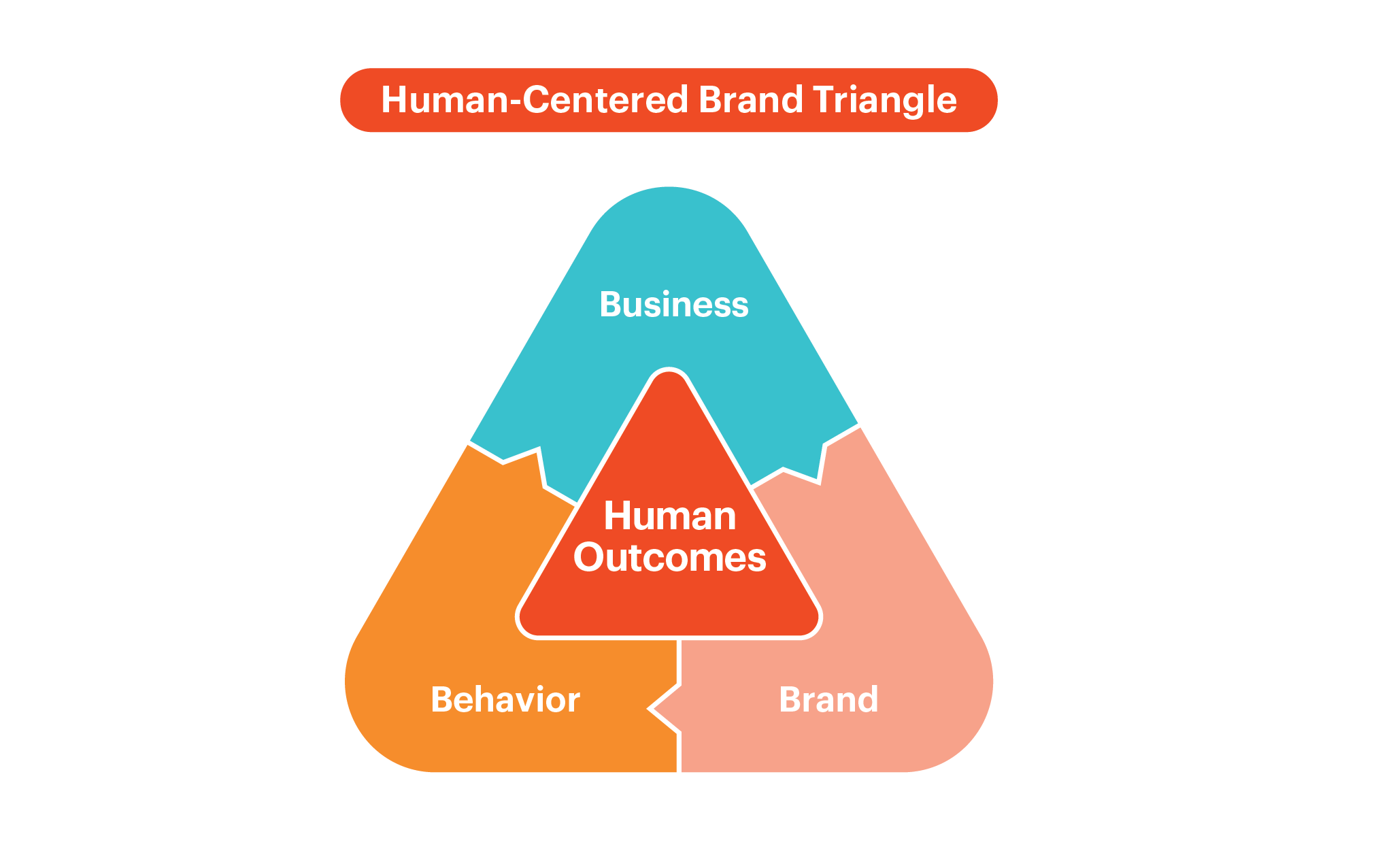
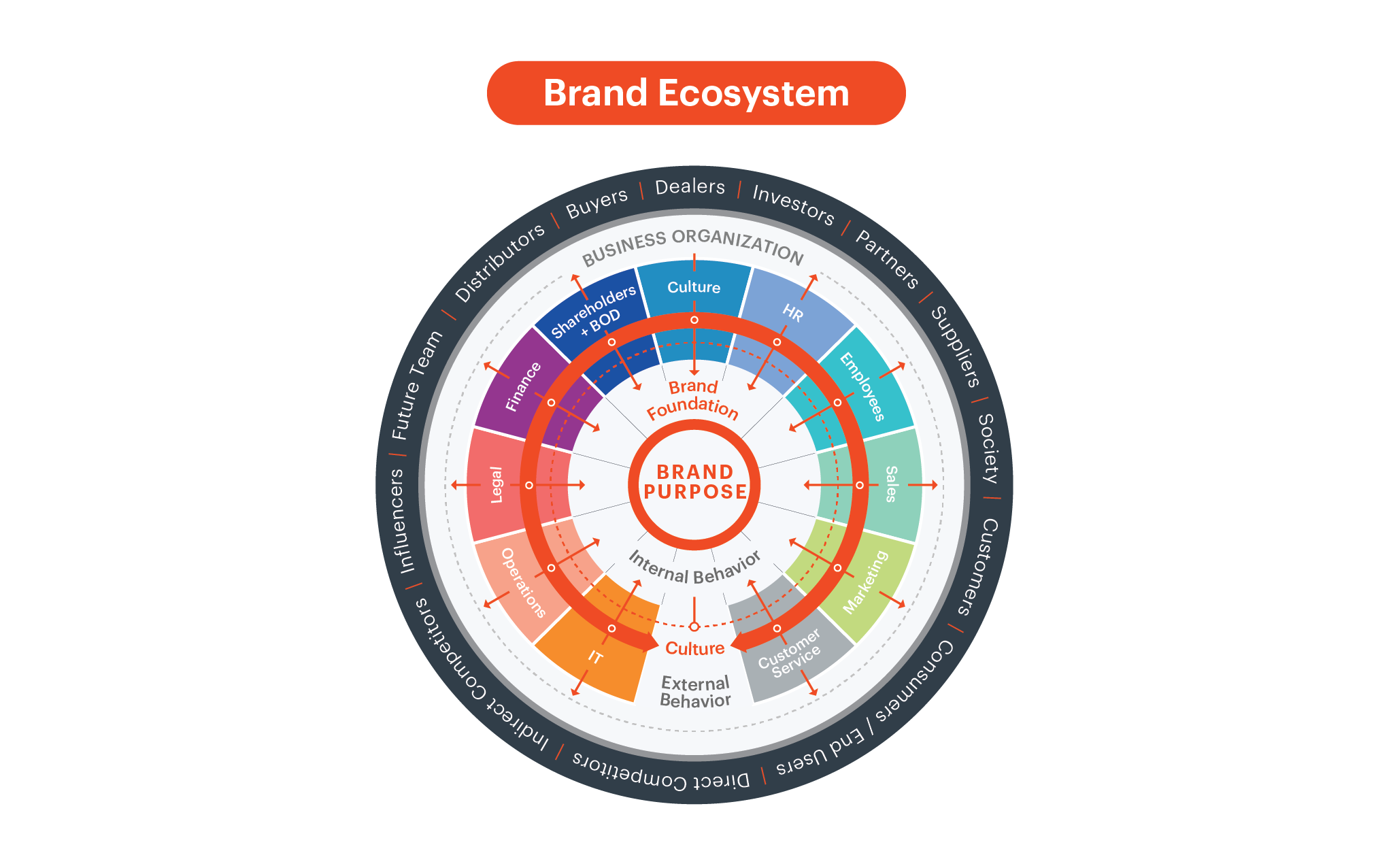
1. Brand in Leadership (Evolution of “Brand in the Boardroom”)
Leadership today must grapple with a dual transformation—toward digital integration and sustainable innovation—while staying true to human values. Strategic decisions should be evaluated through the lens of human impact, not just business performance.
Action Framework:
- Establish human impact metrics alongside financial KPIs.
- Involve diverse stakeholders in strategic conversations.
- Regularly assess brand choices through human-centered design criteria.
2. Brand as Cultural Catalyst
Culture no longer stops at the company door; it ripples into broader society. Organizations must now see themselves as contributors to societal culture, not just their internal culture.
Focus Areas:
- Employee experience as a leading indicator of customer experience.
- Active alignment with social values and cultural shifts.
- Psychological safety that fosters authentic participation.
3. Brand in Human Capital Strategy (Evolution of HR)
HR becomes Human Flourishing. The workforce of 2025 demands workplaces that support belonging, wellness, and purpose.
Human-Centered Enhancements:
- Skills-based hiring focused on potential, not pedigree.
- Immersive onboarding rooted in human-centered design.
- Career development that supports whole-person growth.
- Inclusive policies that reflect lived experiences.
4. Brand-Driven Innovation (Evolution of Product Development)
Design-led organizations don’t chase technology; they respond to human insight. They create products that feel inevitable, not engineered.
Integration Strategy:
- Cross-functional teams guided by design thinking.
- Innovation that begins with people, not platforms.
- Feedback loops that drive both product and brand evolution.
- Inclusion and accessibility as table stakes.
- Design languages that unify product families beyond logos.
5. Brand as Relationship Architecture (Evolution of Customer Service)
Customer service evolves into relationship design, intentionally shaping every interaction to strengthen trust and empathy.
Design Elements:
- Empathy-infused service across all channels.
- Anticipatory problem-solving.
- Consistency and humanity across digital and in-person touchpoints.
- Service recovery as a chance to deepen relationships.
6. Brand as Value Communication (Evolution of Sales & Marketing)
Sales and marketing evolve into value architecture, artfully communicating how your brand enhances human lives.
Strategic Shift:
- Messaging grounded in real human insight.
- Sales journeys designed around how people truly decide.
- Content that educates, empowers, and connects.
- Storytelling that moves from promotion to purpose.
7. Brand as Systems Integration (Evolution of Operations, Legal & Finance)
Operational decisions can no longer be separated from human impact. Every system must support efficiency and well-being.
Operational Evolution:
- Processes that enhance, not hinder, the human experience.
- Financial choices with long-term human value in mind.
- Legal frameworks that protect trust and dignity.
- Supply chains that support ethical, human-centered practices.
8. Brand as Innovation Catalyst (New Pillar)
In 2025, leading brands fuel innovation beyond their walls. They become platforms for collective progress.
Catalyst Practices:
- Open innovation that welcomes diverse perspectives.
- Partner ecosystems focused on positive human outcomes.
- Advocacy for human-centered standards across industries.
- Thought leadership that elevates the field.