Blog
March 9th, 2026
Designing for Coherence
From Awareness to Architecture
Once the cracks of fragmentation are visible, the task becomes clear: to rebuild coherence through design. But coherence isn’t achieved through uniformity. It’s achieved through clarity—a shared understanding of purpose, principles, and patterns that allow the brand to express itself confidently and consistently across every medium.
At BOLTGROUP, we call this process designing the foundation. It’s where strategy becomes tangible, where insight turns into structure, and structure becomes the framework for creativity.
Building from the Core
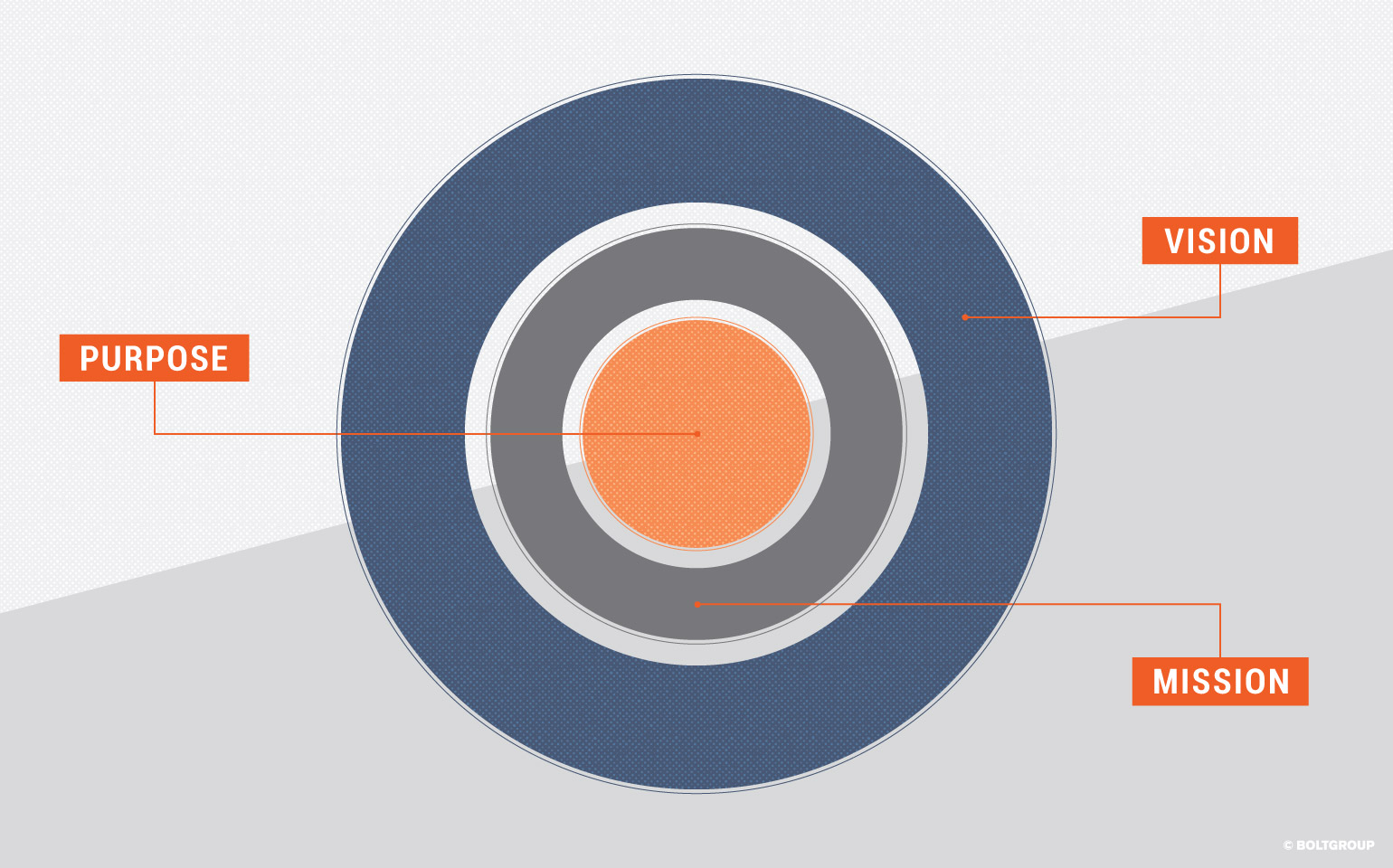
Coherence begins with an unshakable core: purpose, vision, and mission. These aren’t statements written for presentations; they’re principles that guide behavior. Each act as a stabilizing force for every decision that follows.
- Purpose: Why we exist beyond profit.
- Vision: The future we’re building toward.
- Mission: How we are getting there.
These elements create the gravitational center of the brand ecosystem. Around them orbit the components that give the brand its distinctive energy—its values, tone, and personality. When defined clearly, this foundation transforms the brand from an aesthetic to a philosophy—a belief system that informs every product, campaign, and conversation.
The Role of Design Systems
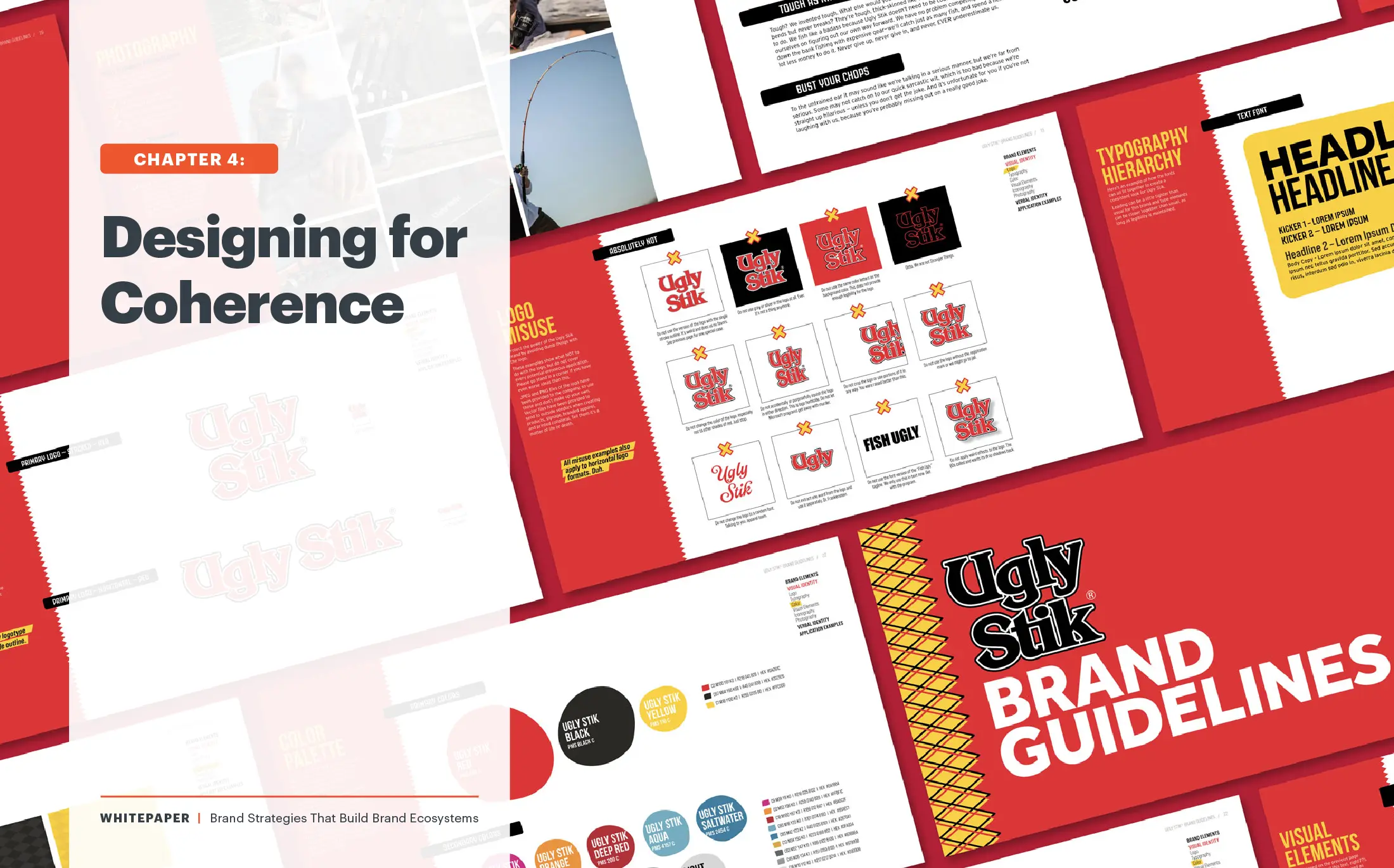
A brand is only as coherent as its design language. Visual and verbal identity act as the syntax of brand expression—the grammar that ensures consistency while allowing creative variation.
At BOLTGROUP, we help organizations craft modular design systems that translate strategy into repeatable form:
- Visual Systems: Typography, color, imagery, and material choices that embody brand intent.
- Verbal Systems: Voice, tone, and messaging that reinforce the same values and promise.
- Behavioral Systems: Experiences that operationalize the brand, from service design to product interactions.
Together, these systems create flexibility and familiarity by enabling the brand to scale while staying true to its identity.
Designing with Empathy and Intention
Coherence is not achieved by enforcing standards from the top down; it’s cultivated through shared understanding. That’s why our process begins with immersion, understanding not just what an organization makes, but why it matters to the people who use it.
We encourage teams to design from empathy, grounding creative decisions in human insight. When employees, partners, and customers see themselves reflected in the brand, coherence becomes intuitive.
Empathy creates the connection that coherence requires.
The Blueprint for Transformation
Designing for coherence requires discipline, iteration, and courage. It’s not a one-time project; it’s the blueprint for how a brand behaves over time.
Key actions include:
- Reaffirming purpose and vision across leadership teams.
- Developing clear messaging frameworks rooted in audience insight.
- Establishing design systems that unify product, marketing, and culture.
- Creating governance tools that empower teams to uphold standards while evolving them.
When coherence is achieved, design becomes effortless. Teams make decisions faster. Customers recognize and trust the brand instinctively. The organization begins to move as one.
From Foundation to Flow
A coherent brand ecosystem accelerates innovation. With a clear foundation in place, creativity can flourish without fear of dilution. The brand becomes both stable and fluid by being structured enough to endure, and dynamic enough to adapt.
Coherence builds the trust. Integration builds the magic.
In the next chapter, we’ll explore how coherence evolves into integration—where brand and product unite to create experiences that feel not just consistent, but alive.