Blog
June 16th, 2026
Why Your Brand Looks Different on Every Product
Chapter 2
At some point it happens to almost every brand leader. You are walking a trade show, visiting a retailer, or reviewing your own product catalog—and something stops you cold. Your products do not look like they belong together.
The colors are close but not the same. The forms share no common logic. The packaging from last year looks like it came from a different company than the packaging from this year. The brand you have been building in your head is not the brand showing up in the world.
Brand inconsistency is almost never random. It follows patterns: the same 5 root causes, in some combination, almost every time.
The 5 Root Causes
1. No Visual Brand Language was ever built. A logo and a style guide are not a VBL. Without the underlying system that governs how the brand expresses itself through three-dimensional products, every new product becomes a design decision made in a vacuum.
2. Multiple vendors with no system owner. When product design, packaging, and accessories are handled by different teams against different briefs, inconsistency is an outcome.
3. Product design and brand design running on separate tracks. When those two disciplines never share a brief, the product and the brand end up telling two different stories.
4. Acquisition without integration. Two product families, two design systems, two visual identities—now sharing a catalog and a retailer relationship—with no architecture to hold them together.
5. Design decisions made by the wrong people. When engineers or operations teams make final calls on color, material, and finish without brand in the room, the brand pays the price.
What It Actually Costs
Brand inconsistency shows up as slower velocity at retail, price compression in categories where a premium is warranted, and shelf placement that goes to competitors whose lines read more coherently from eight feet away. It shows up internally as product development cycles that take longer than they should, because every new design starts from scratch.
| The most expensive thing a brand can do is keep solving the same problem at the surface level. A packaging refresh does not fix a Visual Brand Language problem. Building the system that was never built does. |
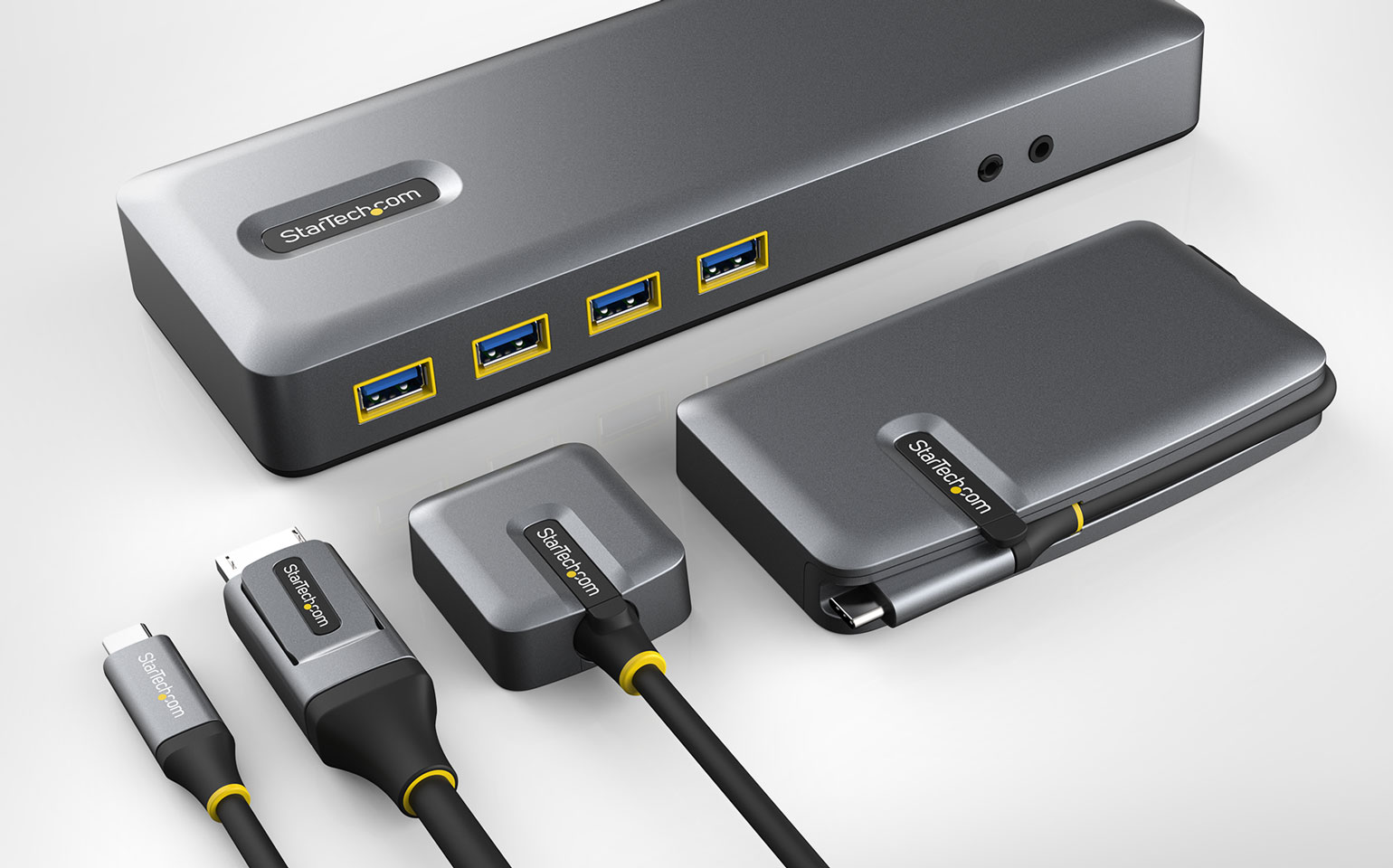
StarTech.com had more than 3,000 products across five continents and a brand story being told by others because the visual language governing those products had never been unified into a coherent system. Their brand truths were real. They just had not been translated into a consistent, recognizable product presence. As their CMO described it after the engagement: BOLTGROUP helped them codify their business strategy and culture in a way that could be applied both visually and verbally, consistently, across product design and brand development.
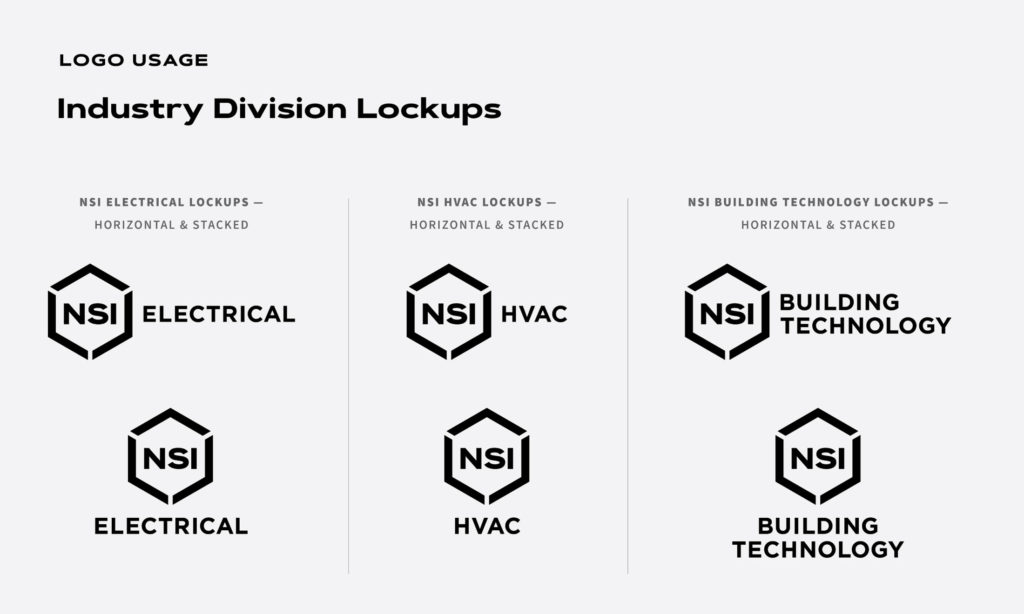
NSI Industries was a different company with the same root cause. Scaling aggressively through acquisition—six deals in 2022 and 2023—with complexity compounding faster than the brand could hold it. BOLTGROUP built the brand architecture and visual system that gave NSI the connective tissue its growth required. NSI nearly doubled its customer base, deepened its distributor relationships, and completed a successful sale to a private equity firm.
“BOLTGROUP has been an indispensable partner to NSI over the past 2 years. The team dove right in to understand a dynamic business and took the lead to help us establish our brand purpose, mission, positioning and identity. We simply could not have achieved what we have without BOLTGROUP as our partner.”
— Jim Piazza, VP Marketing, NSI Industries
Two different companies. The same core need. System first. Everything else followed.
Walk your own product line—physically, if you can—and ask: if I took the logo off everything, would these products still look like they belong to the same family? If the answer makes you uncomfortable, you already know what needs to happen.
NEXT IN THE SERIES
Chapter 3: What Really Happens to a Brand in an Acquisition
The acquisition chapter. Four scenarios, one decision framework, and what Myers Industries learned about turning a culture vision into a visual language that drove seven straight quarters of double-digit growth.