Blog
June 30th, 2026
The Packaging Problem Is Never Just the Packaging
Chapter 4
It usually arrives as an email. Sometimes a phone call. The message is always some version of the same thing: your packaging is not working.
Maybe it does not read from eight feet. Maybe it disappears on a peg hook next to a competitor who spent more on color contrast. Maybe a major retailer flagged it in a line review and suggested—with the particular diplomacy that comes right before a delisting—that the brand consider a refresh.
The reflex is immediate: find a packaging designer, brief the agency, fix the box. Here is what forty years of watching that reflex play out has taught: the packaging is almost never the problem. It is the place where the problem finally becomes visible enough that someone in a buying office has to say something out loud.
The Brief Behind the Brief
Every packaging project has two briefs. The first is the one the client brings in. The second lives underneath—the strategic problem the packaging has been asked to solve, usually without anyone calling it that. A brand never built for the channel it now competes in. A portfolio so fragmented that no amount of packaging coherence can hold it together. A brand with strong equity in one market trying to transfer that equity somewhere it does not yet exist.
That second brief determines whether the packaging investment produces a result or becomes the third refresh in five years that still does not move the needle.
Ryobi and Petmate: Two Versions of the Same Lesson
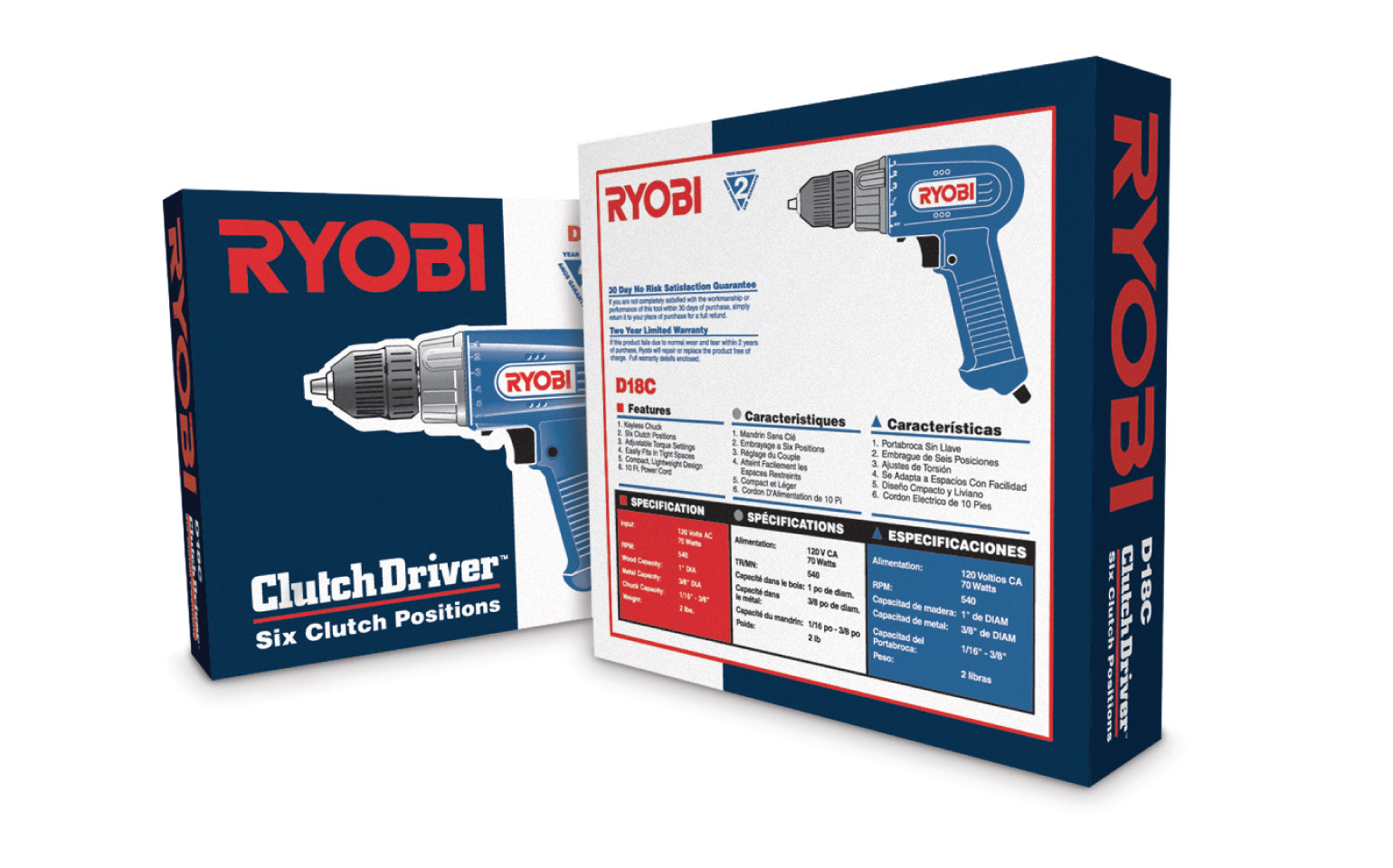
Ryobi Power Tools came to BOLTGROUP with a packaging problem. The real problem was uncovered through research: North American consumers did not know Ryobi. The brand’s deep equity in Japan had not made the journey across the Pacific. The packaging assumed familiarity that did not exist in the aisle.
The real brief became: build the brand at point of sale. Twenty-seven new SKUs launched into Home Depot in a single season. A retail presence that went, in the words of Ryobi’s own marketing team, from almost nonexistent to strong and unified. TTI acquired Ryobi shortly after.
“Prior to BOLTGROUP’s involvement, our presence at retail was almost nonexistent. Now the Ryobi brand has a strong voice and a unified look.”
— Merrit Strunk, Marketing and Advertising Manager, Ryobi
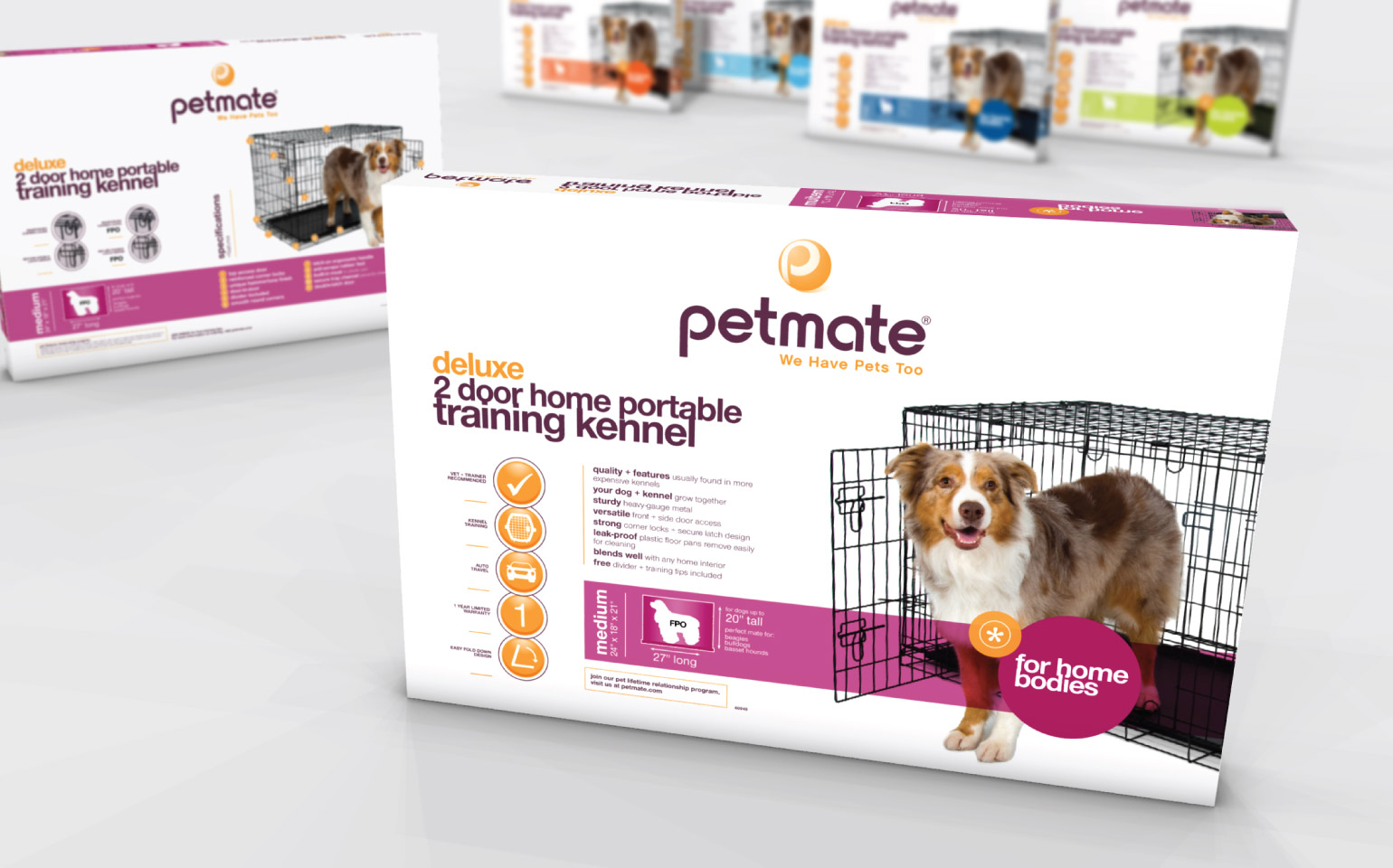
Petmate had a different problem. As the owner of the largest selection of pet products in the country, they had accumulated dozens of brands that diluted rather than amplified each other. BOLTGROUP consolidated the brand architecture first—organizing the portfolio into a handful of key equities—and the packaging followed from that clarity. Petmate went on to acquire seven new products and companies from a position of strength.
“Their team of experts are adept at quickly understanding a market and then navigating the way to the creation of a brand that can thrive in that landscape.”
— Larry Rembold, CEO, Petmate
The brand that had been getting lost in its own complexity became the platform for continued growth. The packaging was the expression of a strategy. The strategy was what created the value.
The packaging looked and performed better in both cases because the thinking that preceded it was better. That is the brief behind the brief. Always worth finding before anything gets designed.
NEXT IN THE SERIES
Chapter 5: From Idea to Market—What Entrepreneurs Get Wrong About Design
The packaging problem is a mature brand problem. There is an earlier version of it—the one that happens before the brand exists—when a founder with a great product makes the design decisions that will follow them into every retail conversation for the next decade.