Blog
July 14th, 2026
How Brand and Product Design Work Together
Chapter 6
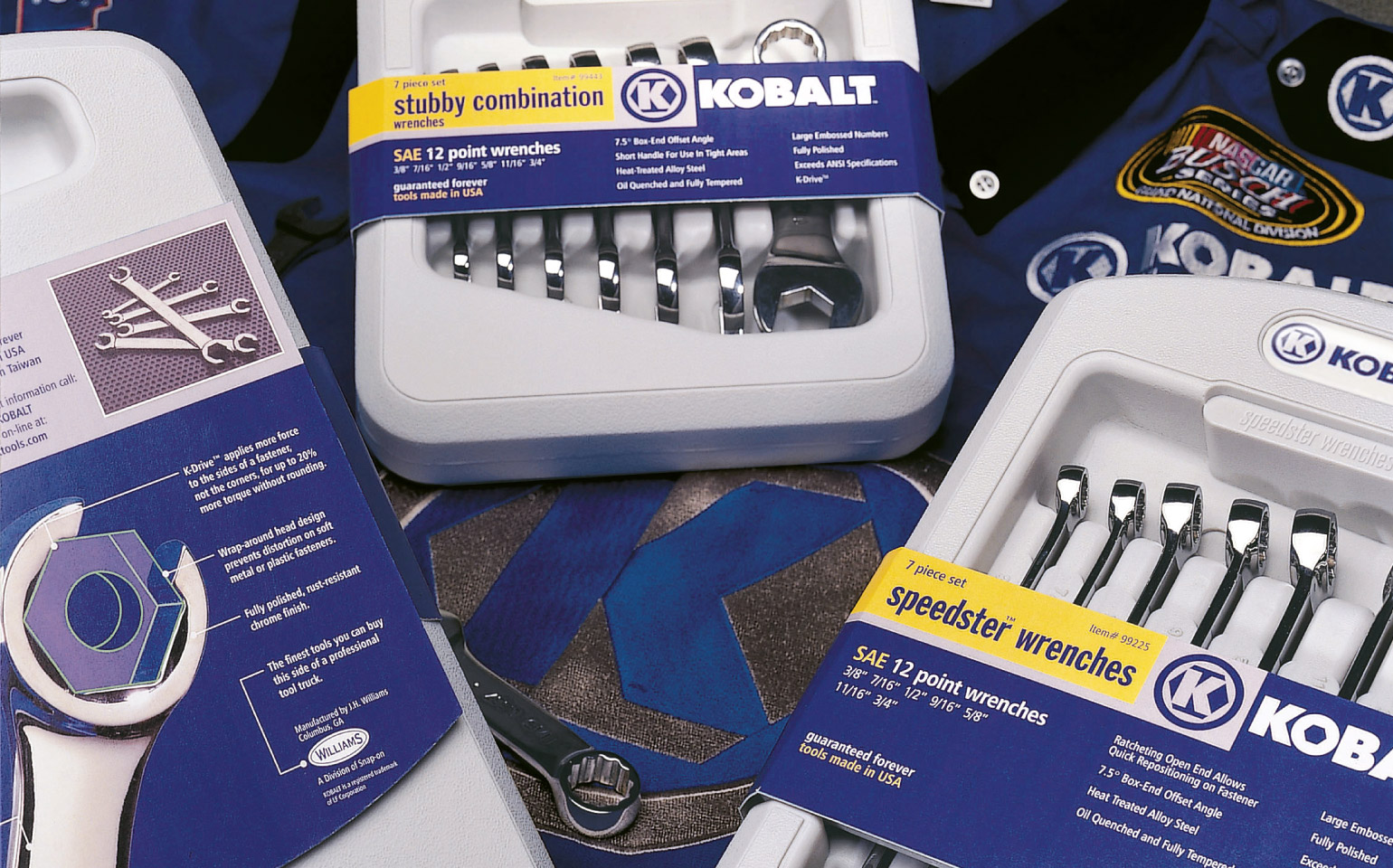
In the mid-1990s, the executive team at Lowe’s headquarters in North Carolina had a hypothesis. There was a gap in the hand tool marketplace between weekend-warrior brands like Sears Craftsman and professional-grade brands like Snap-on. The unmet customer in the middle was real: people who loved working on their cars at home and wanted better tools than a mass merchant carried, but could not access the professional tier.
Lowe’s believed they could own that gap. They had never built a brand on that scale, so they turned to BOLTGROUP.
What followed was one of the most complete integrated brand and product engagements in BOLTGROUP’s history—consumer research, brand strategy, naming, identity, product design, Visual Brand Language, packaging, visual merchandising, a multi-year product roadmap, a NASCAR partnership, and Agency of Record stewardship for three years. The result was Kobalt Tools: today the most successful proprietary brand in Lowe’s history, a multi-hundred-million-dollar brand, one of the ten most desired brands among U.S. dads in 2015, and a Landor Breakaway Brand published in Forbes.
“Soup to nuts, that describes the role BOLTGROUP played in conceiving, developing, and bringing Kobalt Tools to market. BOLTGROUP created the template for Lowe’s private brand development through this unprecedented and integrated product and brand success.”
— Bob Gfeller, Chief Merchandising Officer, Lowe’s Home Improvement
Why Integration Produces What Silos Cannot
The design industry evolved in parallel tracks for good historical reasons. Brand firms mastered strategy, identity, and communication. Product firms mastered industrial design, engineering, and manufacturing. Each track produced genuine expertise. Neither was built to do what the other does.
The problem is that the market does not respect those tracks. The companies that win at retail are the ones where brand strategy and product design are developed together—same team, same brief, same room. Not handed off sequentially. Not managed by two agencies in parallel. Actually integrated at the work level.
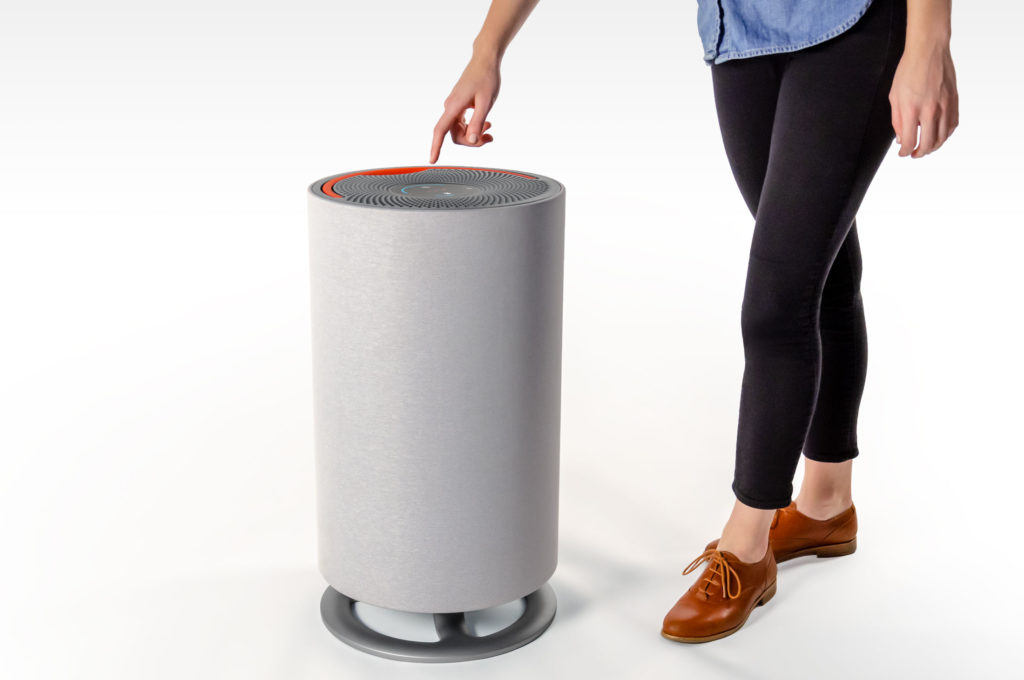
Oransi came to BOLTGROUP wanting a home air purifier with medical-grade performance in a form homeowners would want in their living spaces. The decision to use a fabric-wrapped cylinder—soft enough to seem like furniture, precise enough to communicate performance—was a brand decision and a product decision made simultaneously. The result: Red Dot Award, iF Design Award, IDEA Bronze, Good Design Award, and customers describing it in terms usually reserved for fine furniture. Sales outpaced every previous Oransi product launch.
“While we focus on performance, we also feel a product should look great, and in partnering with BOLTGROUP we were able to achieve our goal of high performance and high design in the mod air purifier.”
— Peter Mann, CEO, Oransi
| When the brand brief and the product brief are the same brief, everything downstream is simpler, faster, and more coherent. When they are separate documents owned by separate teams, everything downstream is a negotiation. |
Kobalt could not have been built by a brand agency that handed off to a product designer. Oransi could not have been built by an industrial design firm that hired a branding consultant. Both required a single integrated team with a single integrated brief. That is the structural advantage—and it is measurable in revenue, in awards, and in a Chief Merchandising Officer of a Fortune 50 retailer saying “soup to nuts”.
NEXT IN THE SERIES
Chapter 7: The Design Culture Advantage—Why Some Companies Always Win
Kobalt, Oransi, Golf Pride, Myers—these are not stories about great projects. They are stories about companies that treat design as a strategic capability. Chapter 7 is where we examine what that looks like inside an organization.