Blog
July 7th, 2026
From Idea to Market: What Entrepreneurs Get Wrong About Design
Chapter 5
Jamey Bennett liked reading at night. He did not like clip-on book lights that threw more light around the book than on it. So, he had an idea: place a slightly angled lens on the page and shine light through it, illuminating only what you were reading.
The idea was elegant. He had a product. What he did not have was a name, a brand, a company, a retail partner, or a penny in tooling. What he did have was a meeting with Barnes & Noble on the calendar. 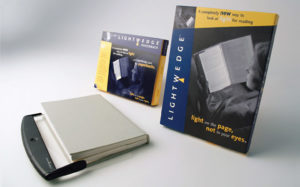
BOLTGROUP built the LightWedge brand from scratch—name, visual identity, packaging, and photo-realistic renderings showing what the product would look like on a Barnes & Noble shelf—before a penny went into manufacturing. Jamey walked into that meeting with a complete brand story and walked out with a purchase order. Within two years, LightWedge was the top-selling book light at the three major bookstore chains. The company made the Inc. 500 within five years. Oprah featured it, and sales increased 2,400 percent in a single afternoon.
The 5 Mistakes
1. Logo first, brand never—most entrepreneurs treat the logo as the brand. The logo is a name tag. The brand is the complete system of meaning that makes a customer reach for your product over the one next to it.
2. Product design and brand design hired separately, integrated never—each one delivers competent work; however, none of them are talking to each other, and the result is a product that performs and a brand that does not know what it is.
3. Packaging designed before the channel was confirmed—a system built for Whole Foods will not perform in Home Depot. Know the shelf before you design for it.
4. Brand built for launch, not for growth—launch brands generate buzz; growth brands scale. Optimizing for the launch and ignoring the architecture means rebuilding everything eighteen months later, right when you can least afford to.
5. Waiting until Series B to think about Visual Brand Language—by then the product family is already fragmenting, and the cost to unwind it is a multiple of what it would have cost to build the system before the second product launched.
Bob Thorsen and GaBBY Bows
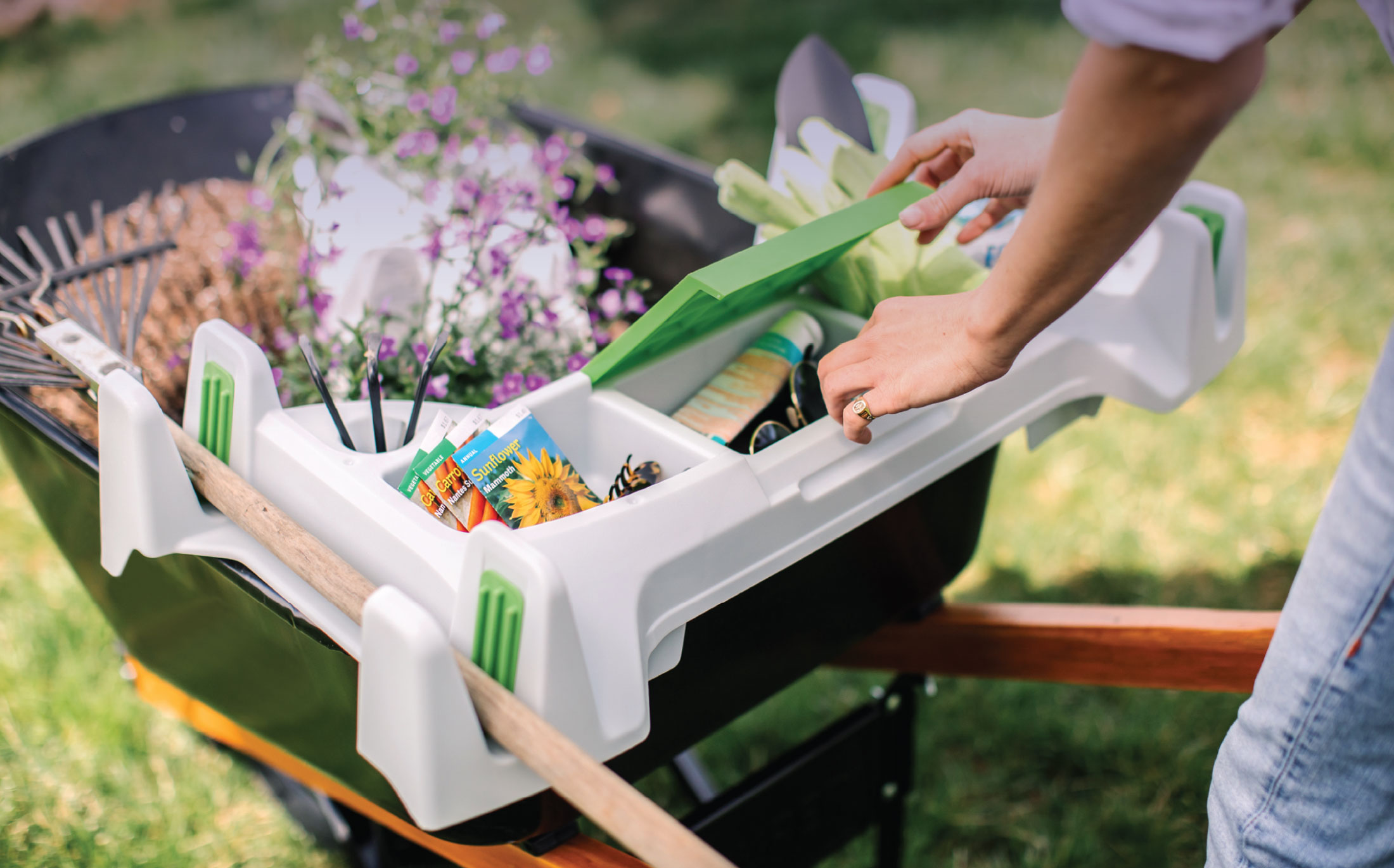
Bob Thorsen built the Little Burro in a tool shed one Saturday afternoon—a wheelbarrow attachment to carry his gardening gear. Cardboard and duct tape. BOLTGROUP took it all the way: industrial design, engineering, brand, packaging, and retail strategy. The Little Burro won Retailer’s Choice at the National Hardware Show in 2014. The Burro Buddy won it again in 2017. Both products earned placement at Ace Hardware, True Value, Tractor Supply, Lowe’s, and Walmart. They appeared on Shark Tank.
“The absolute best discovery we made was BOLTGROUP. This incredibly talented team transformed our literal cardboard and duct tape idea into a highly engineered, award-winning, marketable product.”
— Bob Thorsen, Little Burros Creator
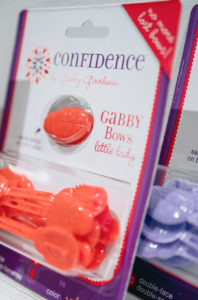 Gabby Goodwin was seven years old when she invented a better barrette—one that stayed in a child’s hair and was decorative on both sides.
BOLTGROUP partnered with Gabby and her mother, Rozalynn, to engineer and brand what became GaBBY Bows. A decade later: Target, CVS, Claire’s, Walmart, Good Morning America, TODAY, Shark Tank, and a book.
The brand that had been getting lost in its own complexity became the platform for continued growth. The packaging was the expression of a strategy. The strategy was what created the value.
A product gets you into the room. A brand keeps you in it. The entrepreneurs who understand that distinction early are the ones who do not have to relearn it at Series B.
NEXT IN THE SERIES
Chapter 6: How Brand and Product Design Work Together—And Why Most Firms Can’t Do Both
Every story in this series was made possible by a single structural reality: brand strategy and product design developed by the same team, under the same brief, in the same room. Chapter 6 is where we explain why that matters.